Europejskie projekty Żeroma
Europejskie projekty Żeroma
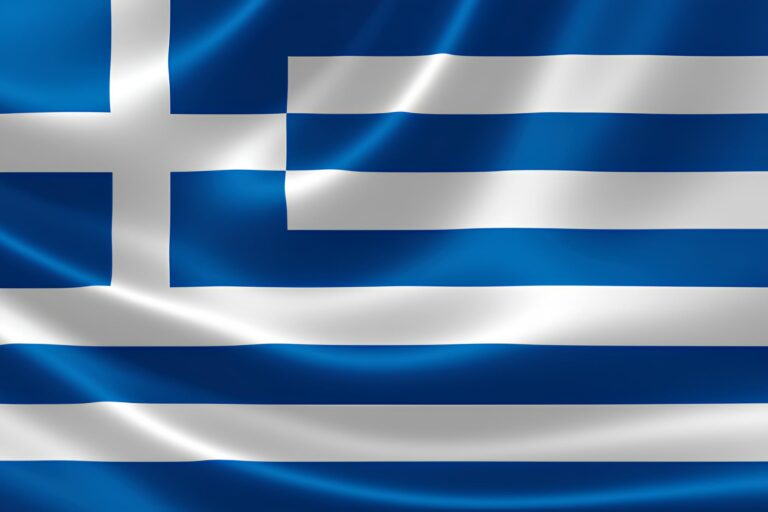
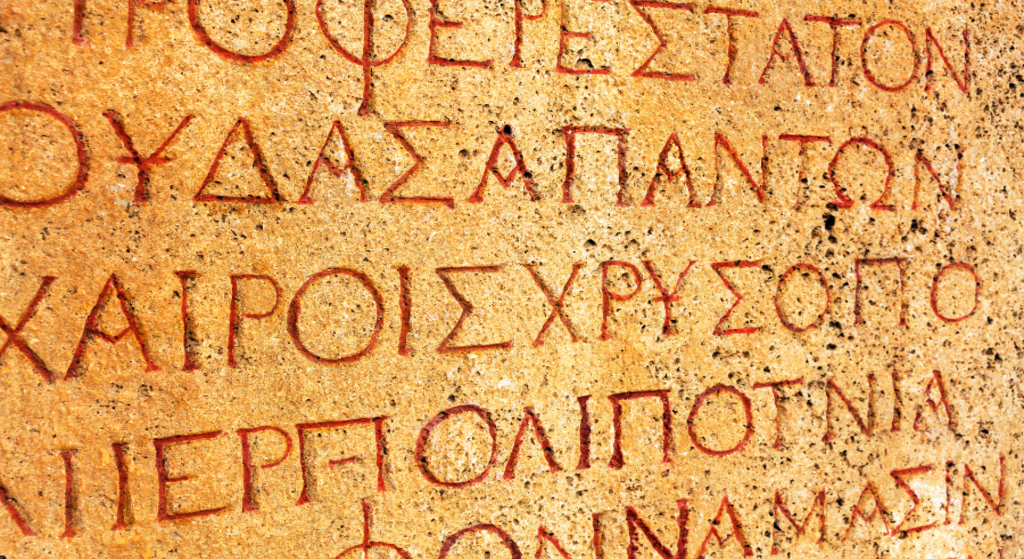
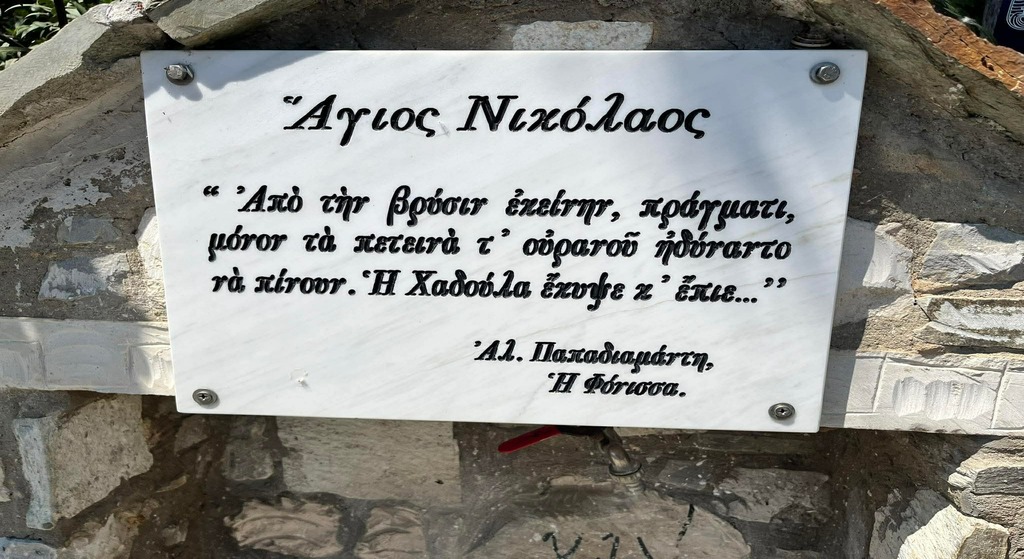
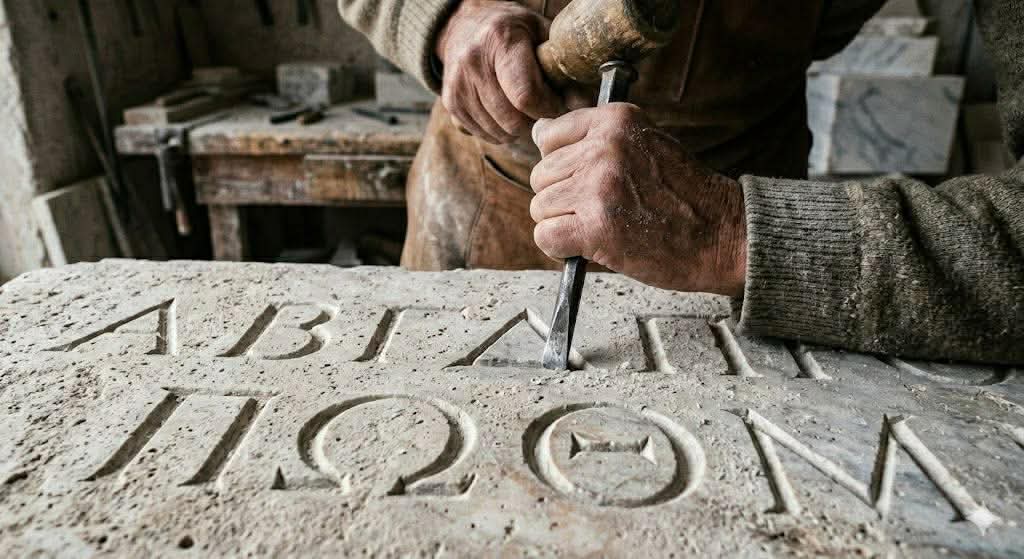
When we think of the Greek language, we often picture ancient temples bathed in sunlight, philosophers debating on the agora, and manuscripts covered in mysterious symbols. These images, while rooted in history, can make Greek seem like something distant or hard to access. In reality, however, the Greek alphabet is far closer to us than we might expect. It is present in our everyday lives in ways we often do not even notice — at school, in science lessons, in technology, and even in common expressions we use without a second thought.
The Greek alphabet is one of the oldest writing systems still in continuous use today. It emerged over 2,500 years ago, around the 9th–8th century BCE, and developed from the earlier Phoenician alphabet. The Phoenicians were a seafaring people who inhabited the eastern coast of the Mediterranean, renowned for their trade and navigation. It was through these commercial contacts that the Greeks became acquainted with the Phoenician writing system and adapted it to the needs of their own language. What made the Greek alphabet truly revolutionary was the introduction of vowel notation. Earlier systems, including the Phoenician abjad, recorded mainly consonants, which made reading difficult and required the reader to guess meaning from context. Adding vowels made writing clearer, more flexible, and easier to learn for a wide range of people. This was one of the most important moments in the history of written communication — one that opened literacy not just to priests and scribes, but to ordinary citizens.
Over time, the Greek alphabet became the foundation for other writing systems, most notably the Latin alphabet, which developed in the western Mediterranean through the Etruscans and the early Romans. This means that the letters used today in English, German, Italian, and many other European languages are indirectly connected to the Greek alphabet. In this way, it serves as a hidden foundation of modern written communication in Europe and beyond, linking today’s societies with an ancient tradition in a far deeper way than might appear at first glance.
It is also worth mentioning the Cyrillic alphabet — used in Russian, Bulgarian, Serbian, and other languages. Its creators, Cyril and Methodius, Byzantine missionaries working in the 9th century CE, based their invention directly on Greek script. The Greek alphabet therefore gave rise to two major European writing traditions: the Western tradition, rooted in Latin, and the Eastern tradition, rooted in Cyrillic.
The Greek alphabet consists of 24 letters, each with its own name, pronunciation, and history. While they may seem unfamiliar at first glance, many of them have influenced the shape and sound of letters used today. The most recognisable include:
Students often encounter these letters during school lessons, particularly in mathematics and the natural sciences. Learning them is not only an intellectual exercise but also a way of connecting with a rich cultural heritage stretching back thousands of years. Even a basic familiarity with a few of these symbols allows us to spot them in the world around us and feel closer to the culture that so fundamentally shaped European civilisation.
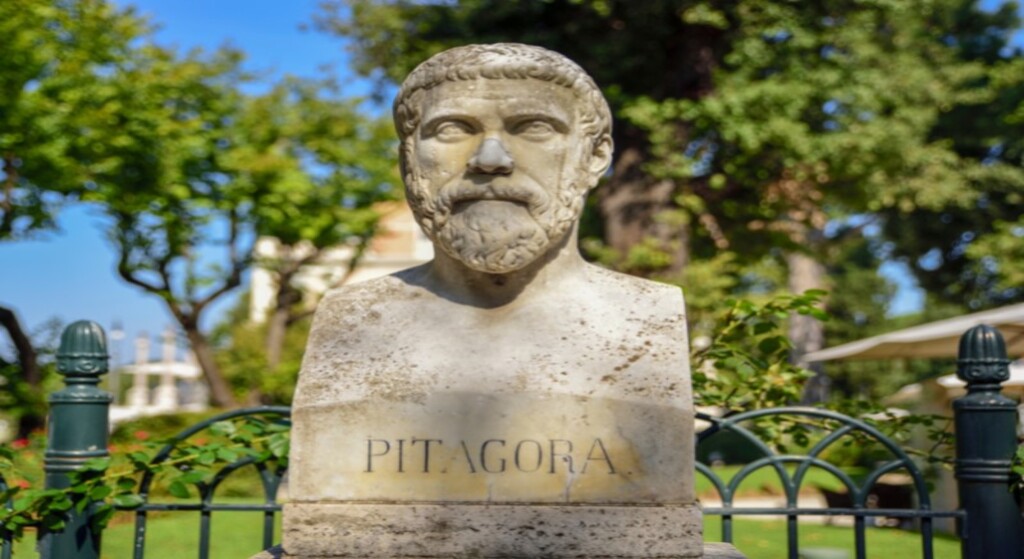


One of the most fascinating aspects of the Greek alphabet is its enduring relevance in modern science. Unlike many ancient systems, which today are studied only by historians and linguists, Greek letters continue to play an active and indispensable role in the language of science. They are used around the world, forming a shared symbolic code that enables scientists from different countries to communicate effectively regardless of language barriers.
In mathematics, Greek letters are used to denote constants, variables, and operations. The most famous is undoubtedly π (pi) — one of the best-known mathematical constants, representing the ratio of a circle’s circumference to its diameter, approximately 3.14159. It appears in countless formulas, from elementary geometry to advanced mathematical analysis and theoretical physics. The letter θ (theta) is widely used to represent angles, Σ (capital sigma) denotes summation of series, and φ (phi) appears in the golden ratio — a proportion particularly valued by artists and architects from antiquity to the present day.
In physics, Greek symbols help describe complex phenomena concisely and precisely. Δ (delta) represents the change in a given quantity, such as temperature (ΔT) or velocity (Δv). λ (lambda) specifies the wavelength of electromagnetic or sound waves, α (alpha) and β (beta) denote types of radioactive radiation, and Ω (omega) is the unit of electrical resistance — the ohm. The letter μ (mu) appears as a prefix meaning one millionth of a unit, as in micrometres or microseconds. Meanwhile, ρ (rho) symbolises density, and τ (tau) represents a time constant or shear stress, depending on context.
In chemistry and biology, Greek letters are equally ubiquitous. α and β denote different forms of molecular chirality or types of DNA helix. In systematic nomenclature, Greek prefixes are used to indicate the number of atoms or functional groups in a molecule. In genetics, we speak of the alpha and beta chains of haemoglobin, and in virology — of the alpha, delta, and omicron variants of the SARS-CoV-2 virus, which became widely known during the COVID-19 pandemic.
In statistics and the social sciences, σ (sigma) denotes standard deviation — a measure of how spread out data is around the mean — α (alpha) represents the level of statistical significance, and β (beta) refers to test power or a regression coefficient. The symbol μ (mu) is commonly used to denote a population mean.
Beyond science, the Greek alphabet also appears in everyday language in ways we rarely notice. When we talk about a “beta version” of new software, we are referring to the second letter of the Greek alphabet, symbolising something ready for testing but not yet final. When a company announces an “alpha phase” of a project, it refers to the very earliest, internal stage of development. The phrase “alpha and omega” literally means the first and last letters of the Greek alphabet and functions in many languages as a synonym for completeness, wholeness, or the most essential element of something. Even the word “alphabet” itself derives from the names of the first two Greek letters — alpha and beta.
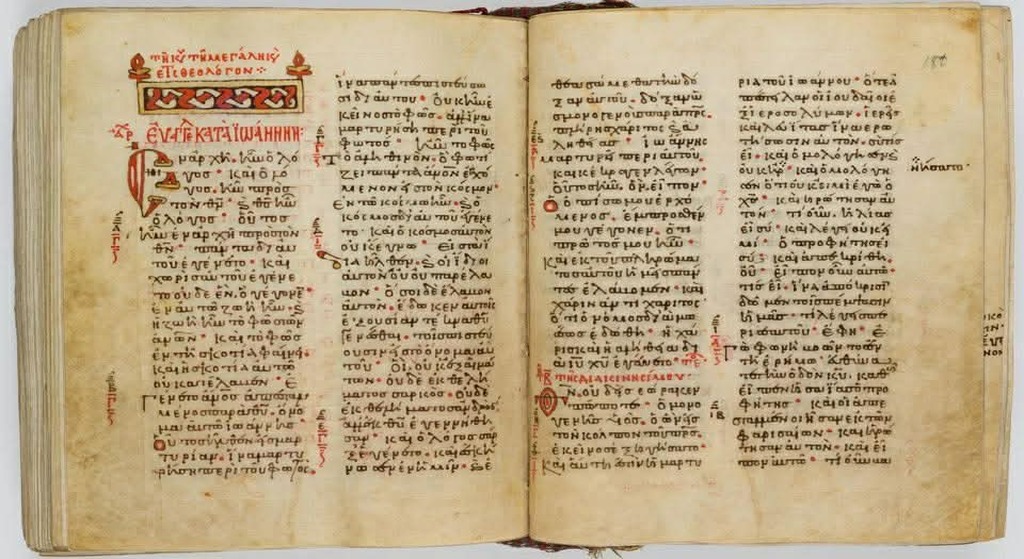
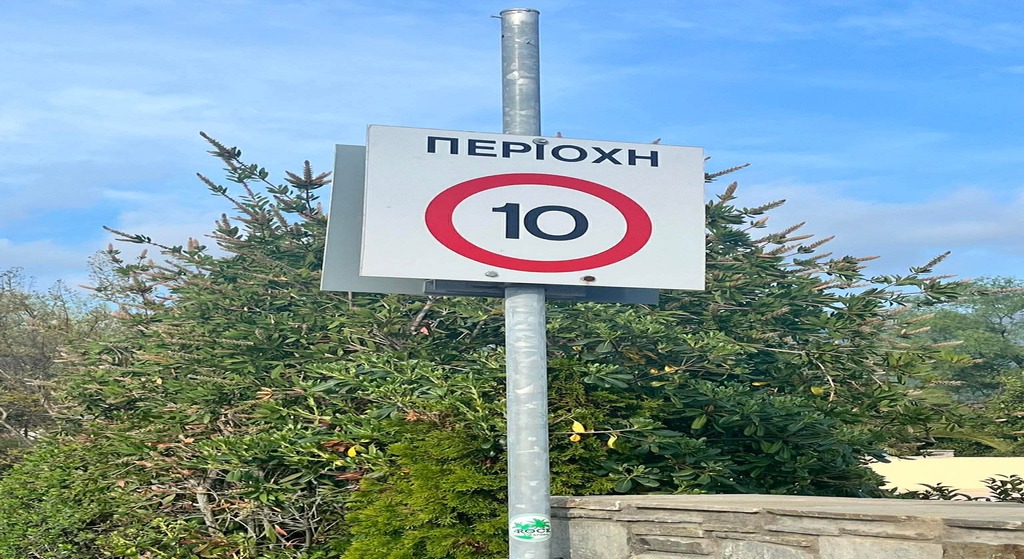

The history of the Greek language is exceptional among the world’s languages for its remarkable continuity. Most ancient languages — such as Sumerian, Akkadian, Egyptian, or Latin — eventually became dead languages, preserved only in texts and studied by specialists. Greek, by contrast, has never ceased to be a living language. For more than three thousand years it has been passed down continuously from generation to generation, though of course it has evolved and changed significantly over that time.
The earliest documented form of the Greek language is Mycenaean Greek, written in Linear B script and dating to the second millennium BCE. It is in this form of the language that the earliest administrative and economic texts of ancient Greece survive, discovered on clay tablets at Mycenae, Pylos, and Knossos. Their decipherment in the 1950s by Michael Ventris was one of the great triumphs of twentieth-century linguistics.
After the collapse of Mycenaean civilisation came the so-called Dark Ages, from which very few written sources survive. When the Greeks rebuilt their civilisation, they used a new alphabet — derived, as mentioned, from Phoenician script. This marked the beginning of the era of Classical Greek, which flourished between the 6th and 4th centuries BCE. It was in this language that the great dramatists wrote — Aeschylus, Sophocles, and Euripides; in it Plato and Aristotle composed their works, Hippocrates wrote his treatises, and Thucydides recorded his histories. It was an extraordinarily rich language in terms of dialect — alongside the prestigious Attic dialect of Athens, there were Doric, Ionic, Aeolic, and other dialects, each with its own literary and cultural tradition.
With the conquests of Alexander the Great in the 4th century BCE, the Greek language spread across vast territories, from Egypt to India. From the mixing of various dialects emerged Koine Greek — the common language of the Hellenistic world and the Roman Empire. It was in Koine that the New Testament was written, which had enormous significance for the further influence of Greek on European and world civilisation. The Jewish philosopher Philo of Alexandria and the Greek historian Plutarch also wrote in Koine. It became the lingua franca of the entire Mediterranean basin for several centuries, connecting people of different nationalities and cultures.
During the Byzantine Empire (4th–15th century CE), Greek was the official language of state and church, the language of administration, law, science, and liturgy. A characteristic literary style developed during this period, drawing on classical models, while the spoken language continued to evolve toward modern Greek. The fall of Constantinople in 1453 did not mark the end of Greek culture or language — Greek survived and continued to develop, now as the language of a people living under Ottoman rule.
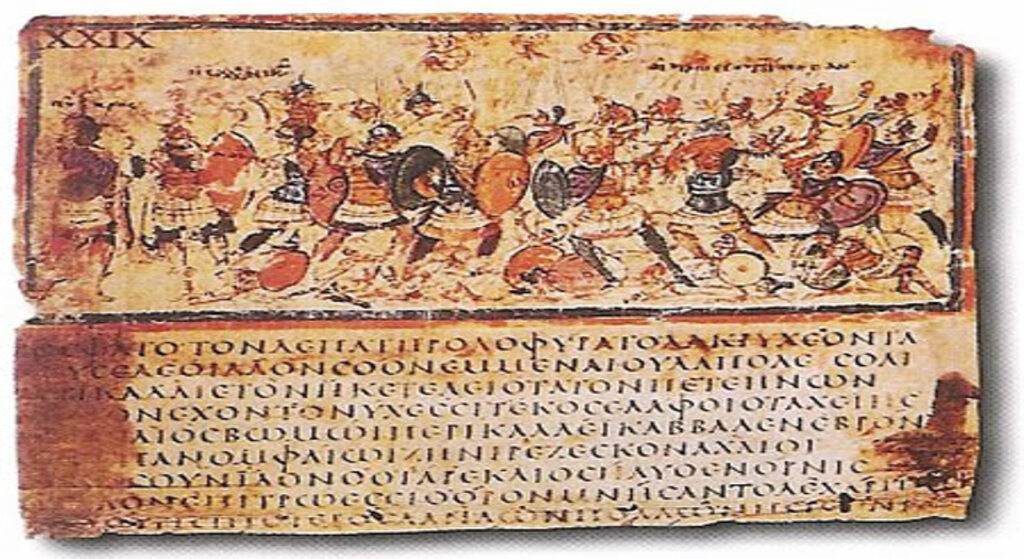
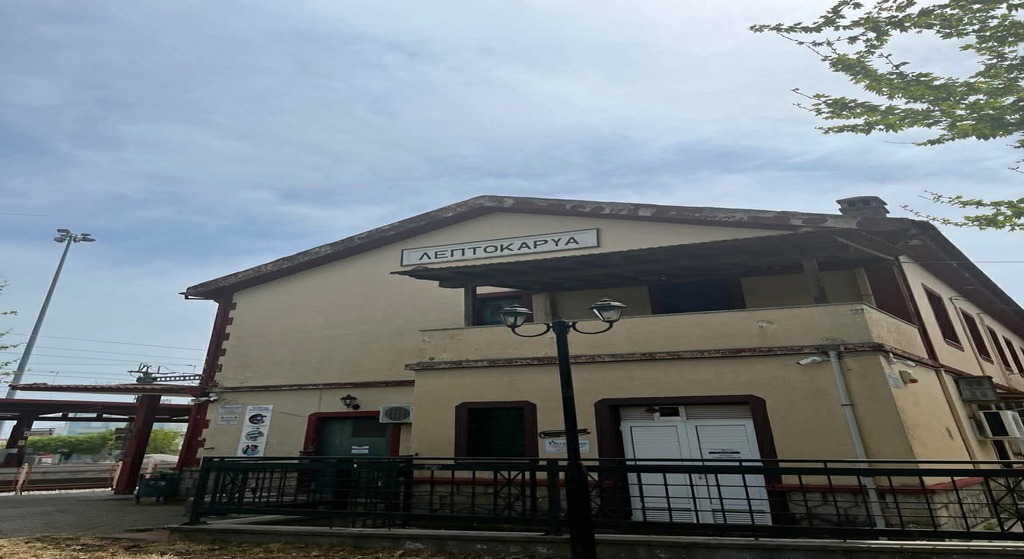

The Greek language has passed through several clearly distinguishable stages of development, each reflecting specific historical, social, and cultural changes.
Mycenaean Greek (c. 1600–1100 BCE) — the oldest documented form of the language, known mainly from administrative texts written in Linear B. Its grammatical structure is already recognisably Greek, though it differs considerably from later forms.
Ancient Greek (c. 800–300 BCE) — the era of great dialects and the flourishing of literature, philosophy, and science. Characterised by rich morphology, an elaborate system of cases and grammatical moods, and exceptional precision in expressing abstract thought.
Koine Greek (c. 300 BCE – 300 CE) — a simplified, unified form of the language, intelligible to people throughout the Hellenistic world. Some archaic grammatical forms were reduced, and vocabulary was enriched by borrowings from other languages.
Byzantine Greek (c. 300–1453 CE) — the language of the Eastern Roman Empire, combining conservative literary tendencies with the natural changes of the spoken language. During this period, forms began to appear that would survive into modern Greek.
Modern Greek (from approximately the 15th century to the present) — a living language spoken by over eleven million people, the official language of Greece and Cyprus, and one of the official languages of the European Union. It differs from ancient Greek in much the same way that modern Italian differs from Latin — it is its direct, living descendant, not a separate language.
Each of these stages was a response to new historical realities and communicative needs. Greek has managed to preserve its identity while adapting flexibly to changing circumstances — which is one of the reasons for its extraordinary longevity.
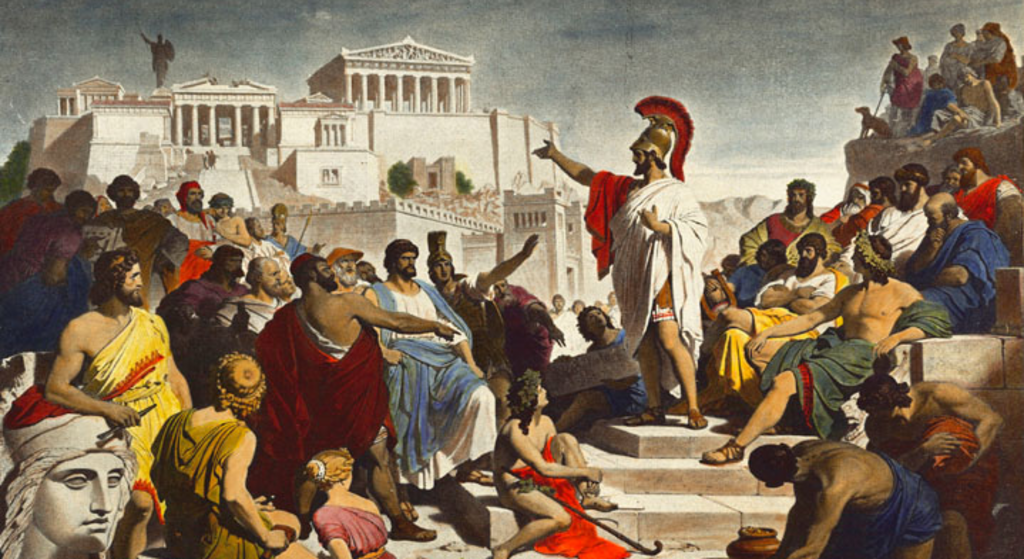
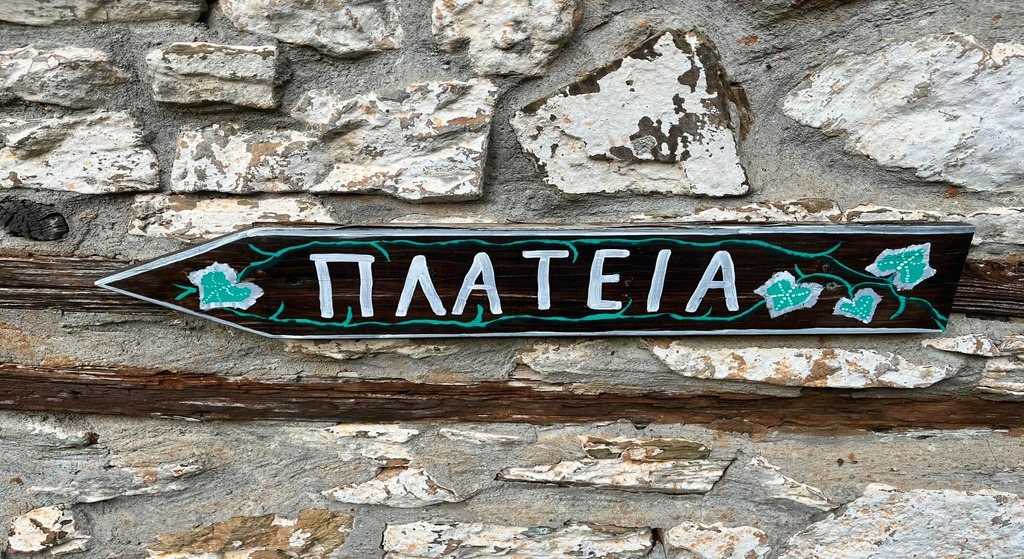
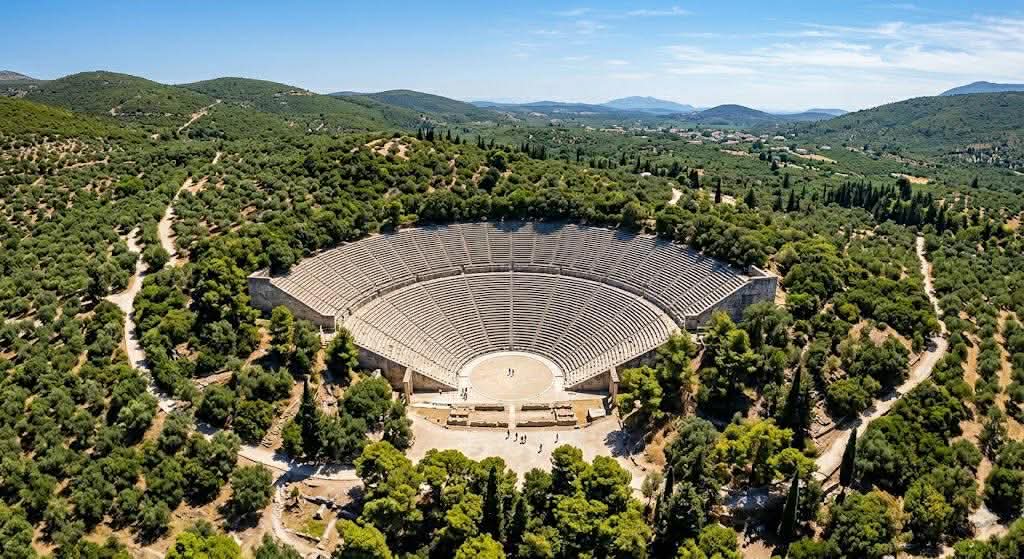
One of the most tangible traces of the Greek language in the modern world is the enormous number of Greek words present in European languages. A significant portion of the scientific, philosophical, medical, and technical vocabulary of European languages derives directly or indirectly from Greek.
In medicine and biology, Greek vocabulary is frankly dominant. The names of organs, diseases, medical specialisations, and procedures mostly have Greek roots. The word “cardiology” comes from the Greek kardia (heart) and logos (science or study). “Neurology” — from neuron (nerve). “Dermatology” — from derma (skin). Words such as “anaesthesia”, “surgery”, “diagnosis”, “prognosis”, “therapy”, and “pharmacology” are direct borrowings from Greek or words constructed from Greek roots.
In philosophy and the humanities, the Greek presence is equally clear. “Philosophy” comes from philos (lover) and sophia (wisdom). “Democracy” — from demos (people) and kratos (power). “Logic”, “rhetoric”, “poetics”, “ethics”, “aesthetics”, “politics” — all these words are of Greek origin. Even the word “school” derives from the Greek scholē, originally meaning leisure — because learning in antiquity was the privilege of those who were not obliged to perform constant physical labour.
In science and technology, Greek terminology is the foundation of modern scientific language. “Technology” comes from techne (art, craft) and logos. “Physics” — from physis (nature). “Biology”, “zoology”, “botany”, “geology”, “astronomy” — each of these words is a Greek conceptual compound describing a particular field of knowledge.
Interestingly, Greek words entered English by various routes — often through Latin, sometimes through Romance languages, or directly. Many have become so deeply embedded in the language that we no longer perceive them as foreign: “theatre”, “museum”, “library”, “planet”, “ocean”, “cataclysm”, “chaos”, “irony”, “symbol”, “system” — these are all Greek words that have become an integral part of the English vocabulary.

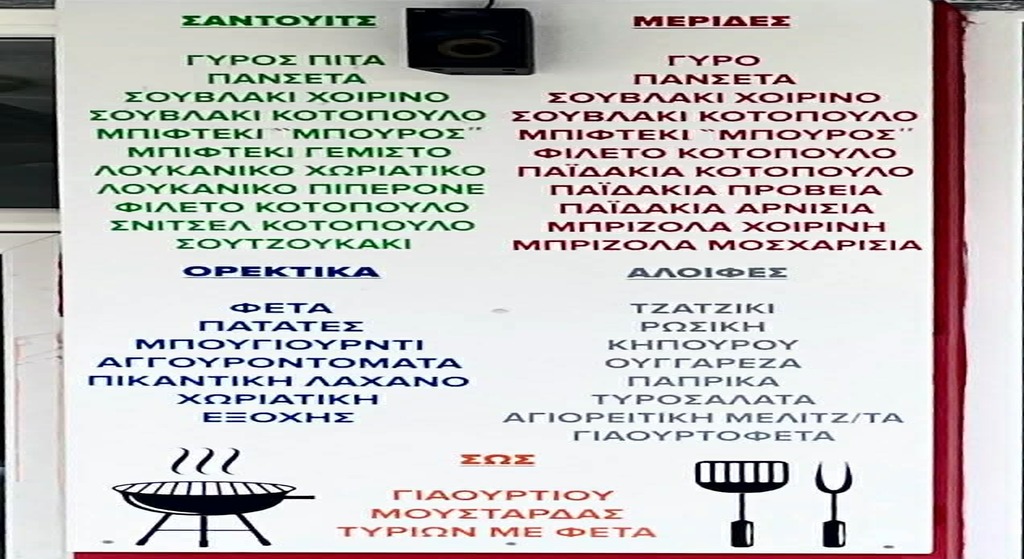

Learning Greek — whether modern or ancient — can be a challenge, but it brings exceptional intellectual, cultural, and practical benefits.
Knowledge of modern Greek opens the door to the culture and society of one of Europe’s most fascinating countries. Greece is a land of extraordinary history, vibrant culinary, musical, and artistic traditions, and rich landscapes — from the mountain villages of Macedonia to the islands of the Aegean Sea. The ability to communicate in Greek allows not only for easier travel, but above all for genuine contact with the local people — an experience unlike any other. Greeks, like many other peoples, particularly appreciate visitors who try to speak their language, even when they make mistakes.
Learning ancient Greek is one of the deepest intellectual experiences that a classical education can offer. It enables one to read Plato, Homer, Thucydides, and the New Testament in the original — in the language in which these texts were actually written, without the mediation of a translator. It allows one to perceive nuances of meaning that are inevitably lost in translation, and to feel a direct connection with the thought and sensibility of people who lived two and a half thousand years ago.
Studying Greek also helps one to better understand the vocabulary of many other languages. Knowledge of Greek roots greatly facilitates the absorption of scientific, medical, and technical terminology — not only in English but in virtually every European language. It is a kind of master key that opens many doors at once.



Today, Greek is spoken by approximately eleven million inhabitants of Greece, several hundred thousand Greek Cypriots, and a Greek diaspora spread across the world — in the United States, Australia, Germany, Canada, and many other countries. It is the official language of Greece and the Republic of Cyprus, as well as one of the twenty-four official languages of the European Union.
Modern Greek, known in Greek as neoelliniki, is a rich and dynamic language that underwent an important period of standardisation in the twentieth century. For a long time, two forms of the language coexisted in Greece: katharevousa — an artificial, archaising official language modelled on classical Greek, used in administration, science, and literature — and dimotiki, the living vernacular spoken by Greeks in everyday life. It was not until 1976 that dimotiki became the official state language and the language of instruction in schools, ending a centuries-old dispute and opening a new era in the history of Greek literature.
Modern Greece is a country where tradition and modernity interweave in a way that is particularly visible in language. Greek media, literature, music, and the internet all use a vivid, dynamic form of Greek that draws on the ancient heritage while freely absorbing new words and expressions from English and other languages. Young Greeks are bilingual or multilingual, and knowledge of English is widespread — which does nothing to diminish Greek attachment to their own language and culture.



The Greek language is perhaps the finest example in Europe of how a language can serve as a living bridge connecting distant historical eras with the present. When a modern Greek uses the word democracy, they are using literally the same word that Athenian citizens used in the 5th century BCE. When a Greek doctor writes a prescription, they use terminology whose roots reach back to Hippocrates. When a Greek mathematician writes the symbol π, they are drawing on a tradition that stretches back to the ancient philosophers and geometers.
This continuity is rare in the history of languages and civilisations. It gives Greek a unique status — it is not merely a tool of communication, but a living archive in which millennia of human thought, creativity, and experience are encoded.
At the same time, Greek — like every living language — is a dynamic organism that continues to change and develop. New words enter the lexicon, old ones acquire new meanings, and the language adapts to the digital, global, and social realities of the twenty-first century. It is precisely this capacity for evolution while preserving identity that has allowed Greek to survive for millennia as a living language, rather than becoming yet another ancient relic.
For anyone interested in history, culture, or science — or simply fascinated by how a distant past continues to shape our present — the Greek language is a remarkable story. A story that began over three thousand years ago and continues to this day, written in the same twenty-four letters that students around the world recognise in equations, scientific symbols, and the expressions of everyday speech.
Alpha and omega — from the first letter to the last, from the dawn of writing to the digital age — the Greek language remains one of the greatest gifts of the ancient world to modern civilisation.
Piotr Ćwikliński
Aniela Wrześkiewicz
Magda Kopertowska
Mateusz Banaszek
Karol Dobrowolski

Copy rights Europejskie projekty Żeroma