Europejskie projekty Żeroma
Europejskie projekty Żeroma
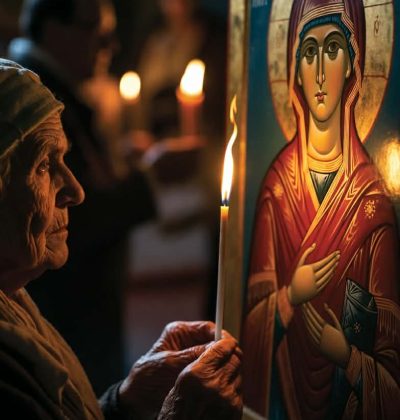
Religion has long been one of the most important elements shaping cultural identity. It influences not only the spiritual lives of individuals but also daily habits, social relationships, and the organization of public spaces. Greece, with its deeply rooted Orthodox tradition, is a prime example of a place where religion and culture intertwine.
During our Erasmus+ mobility on the Olympic Riviera in the Peloponnese, right next to ancient Olympia, we had the opportunity to closely observe how faith functions in the daily lives of Greeks. We explored both urban and rural spaces, visited places of worship, walked among the ruins of ancient temples of Zeus, and spoke with local students. Our goal was to understand the role of religion among young people, recognize living traditions, and compare the similarities and differences between Greece and Poland. What we saw and experienced here, on this sunny coast near Katakolo and ancient Olympia, showed us that religion in Greece is not a relic of the past—it is a living, pulsating part of everyday life.
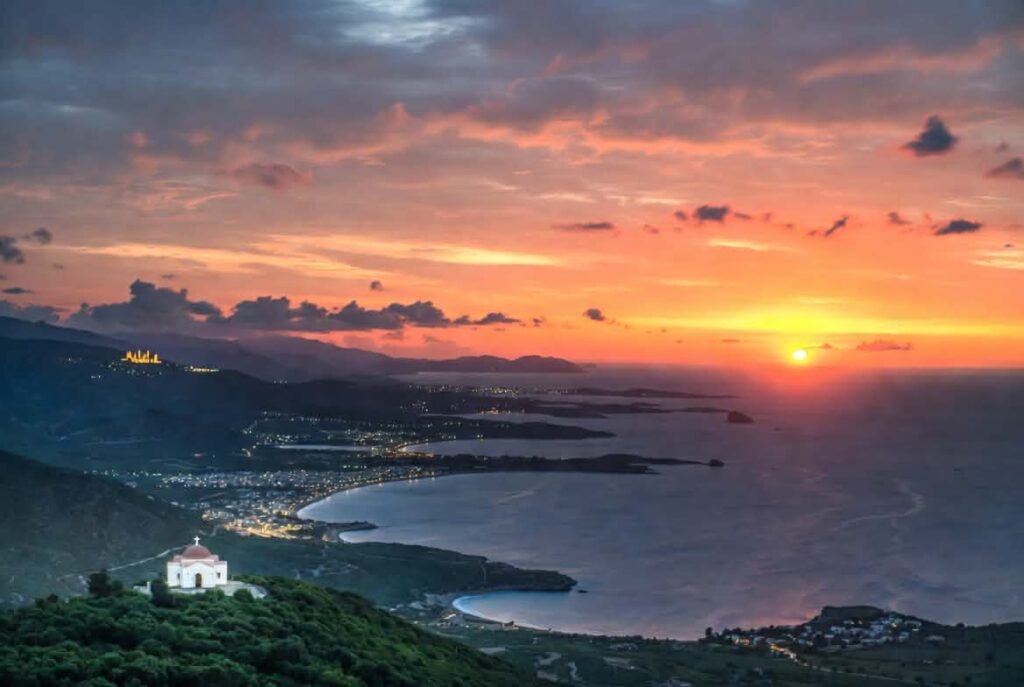
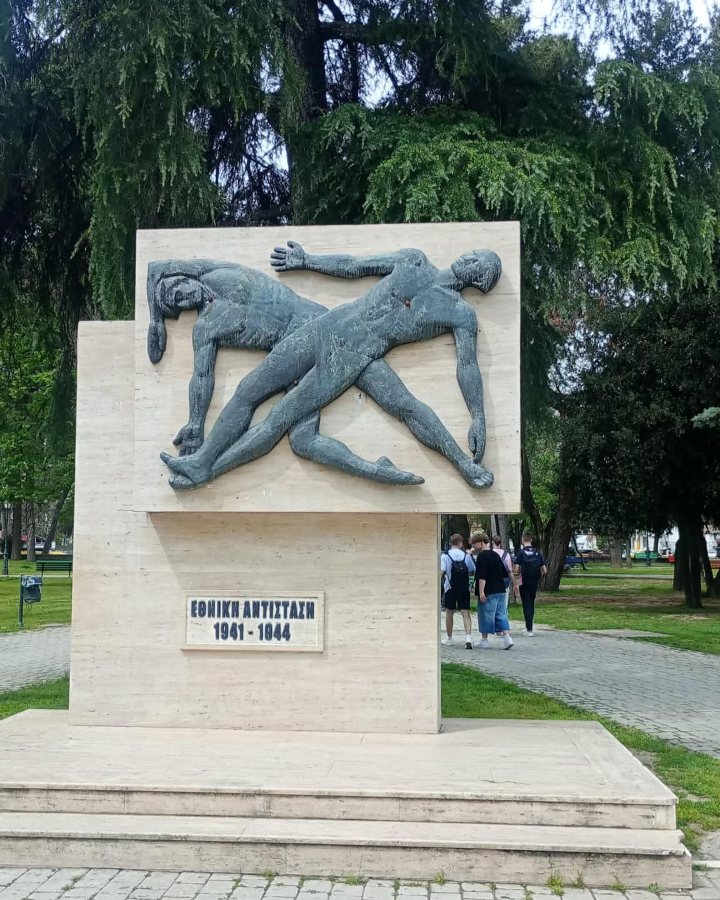
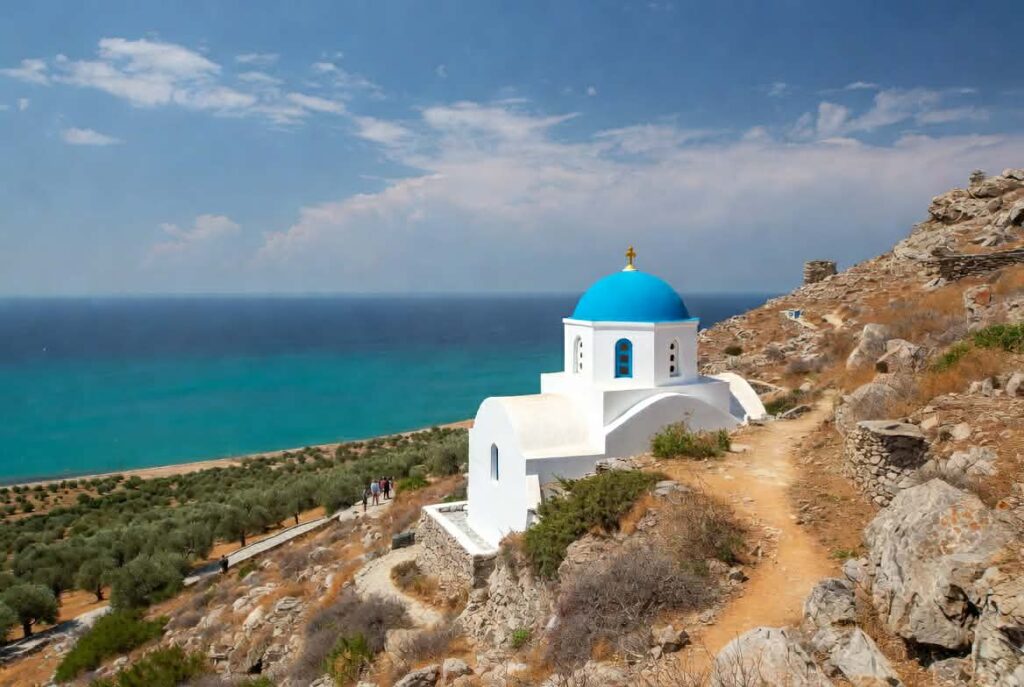
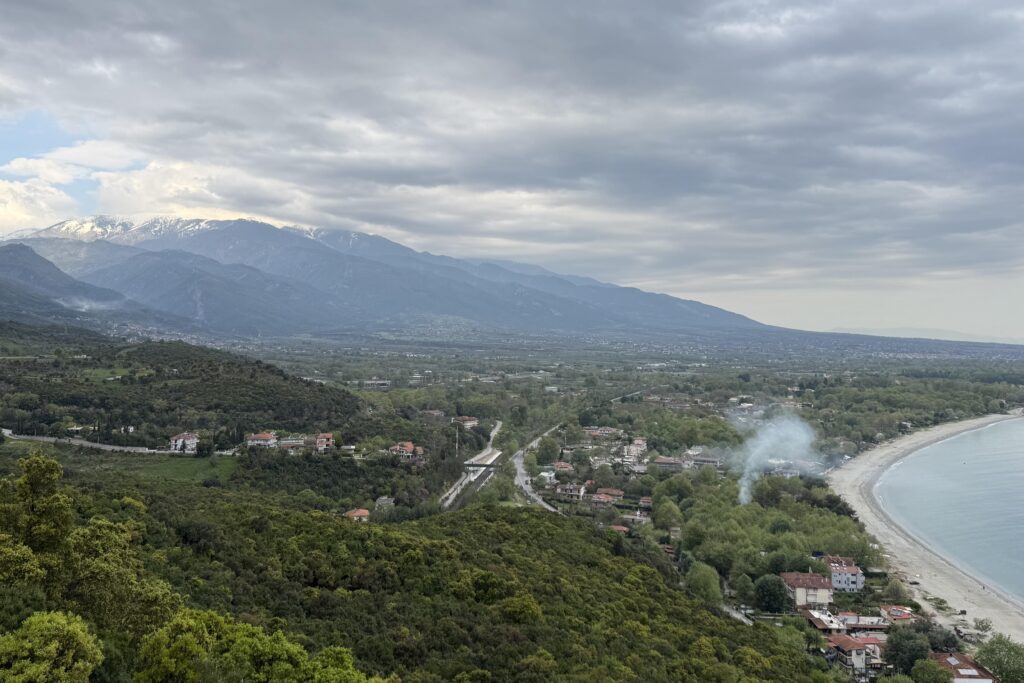
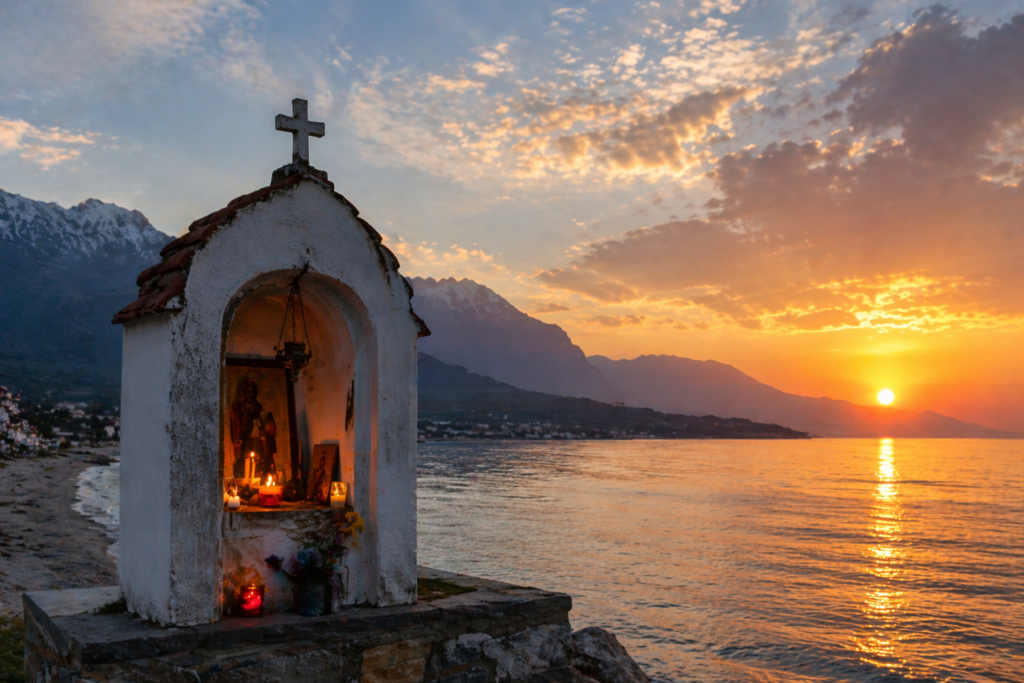
The Olympic Riviera stretches along the western Peloponnese, offering golden beaches, endless olive groves, the crystal-clear waters of the Ionian Sea, and gentle hills that have witnessed thousands of years of human history. Every morning during our stay, we cycled along the coastal path from our accommodation near Katakolo, passing small white chapels perched on rocky outcrops, their blue domes gleaming against the turquoise horizon. The air smelled of salt, pine, and wild thyme, and the sound of distant church bells mingled with the roar of the waves. This setting brought our project to life, because faith here isn’t hidden within buildings—it spills out into the landscape. We spent weeks immersed in the rhythm of local life—participating in beach gatherings at dusk, watching fishermen make the sign of the cross before setting out to sea, and pausing at roadside shrines where fresh flowers and flickering candles testified that someone had stopped to pray only moments earlier. The fusion of ancient pagan sanctuaries with modern Orthodox spaces created a unique atmosphere that deepened our understanding of the natural and visible ways religion continues to shape Greek society. We often lingered in these places after long days of sightseeing, feeling the warm evening breeze carrying the echoes of chants from nearby villages and realizing that this stretch of coastline was more than just a tourist destination—it was a living testament to a layered spiritual history. As Erasmus students far from home, these moments served as daily reminders of the power of a place that connects the sacred with the everyday.
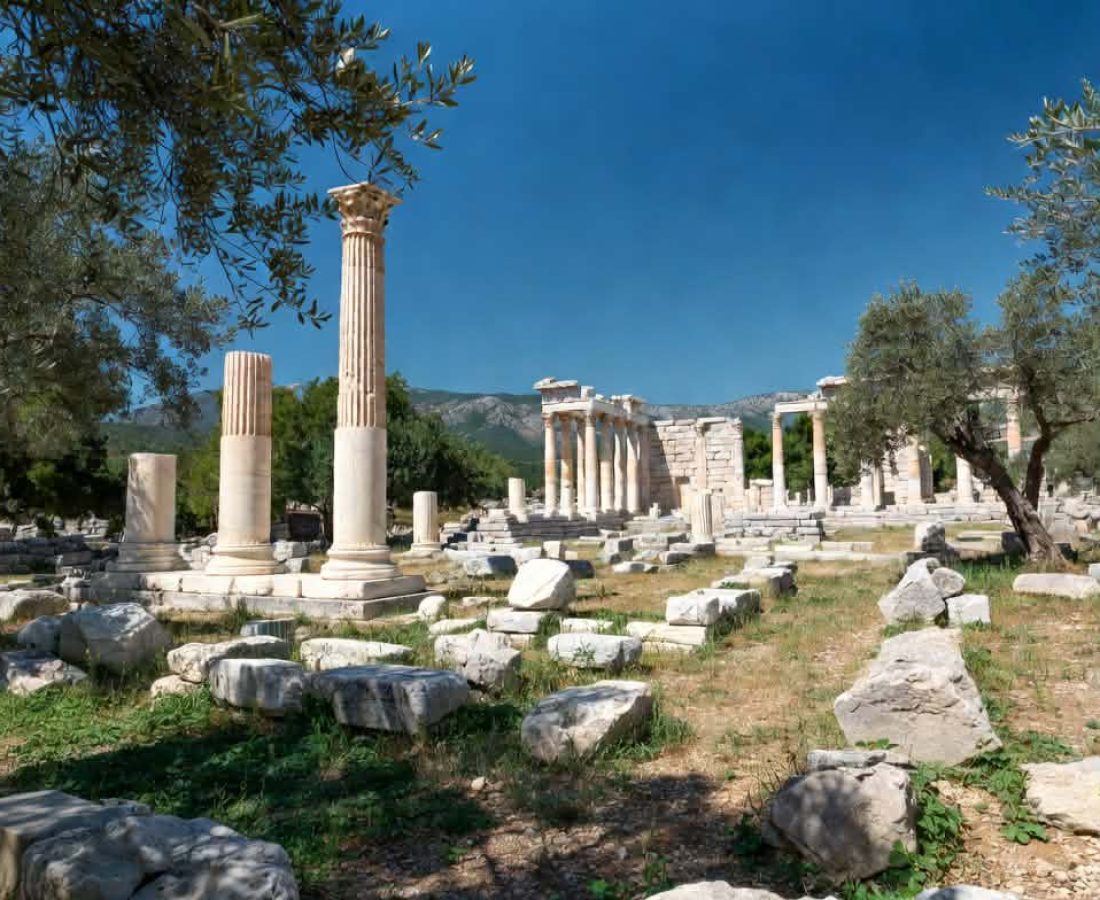
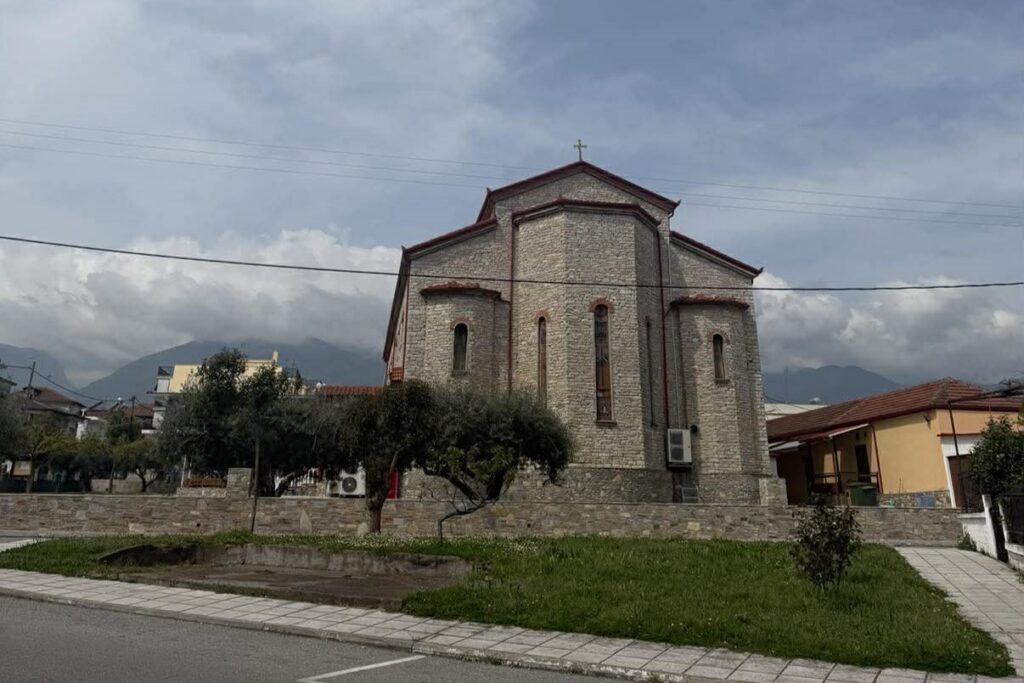
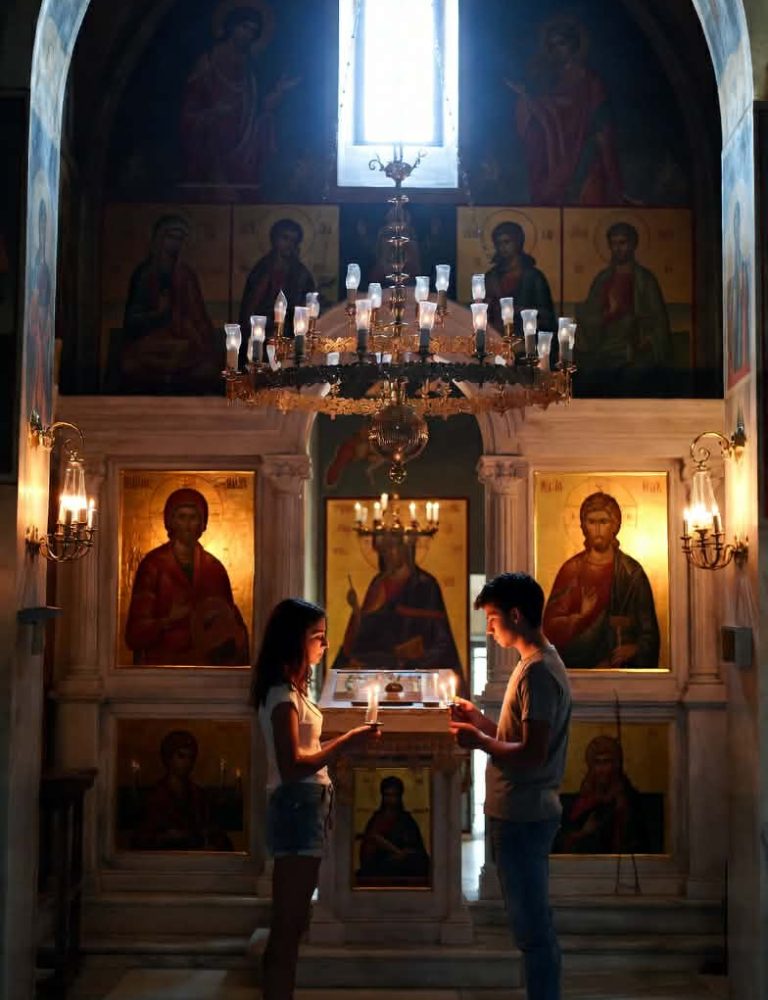
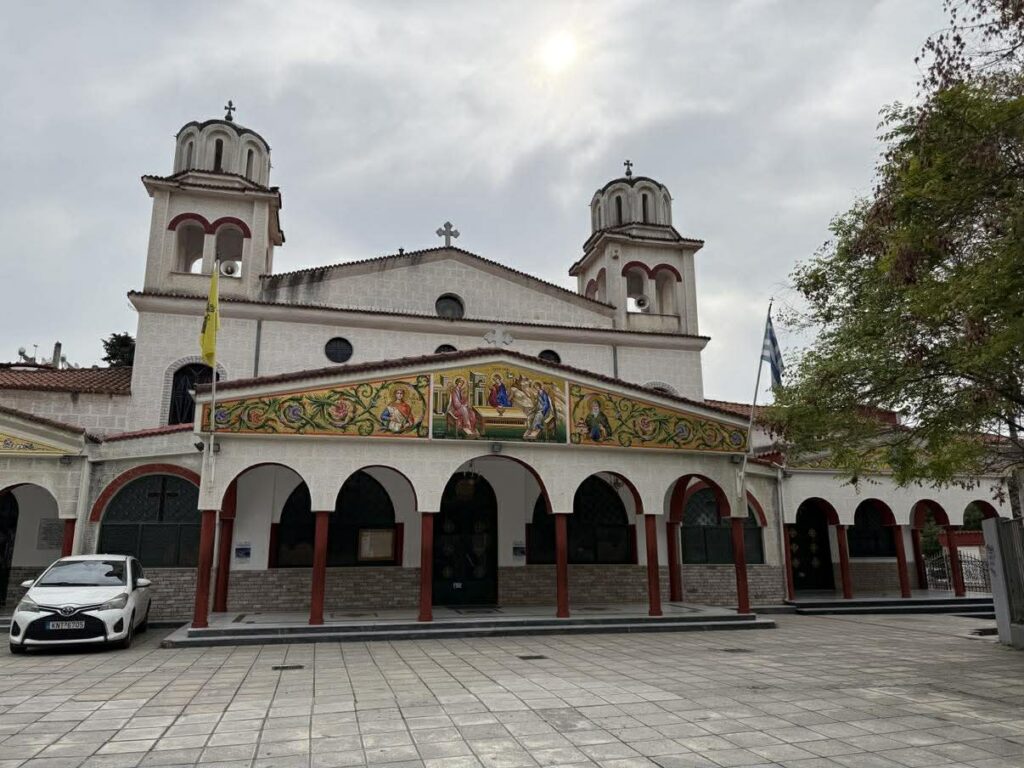
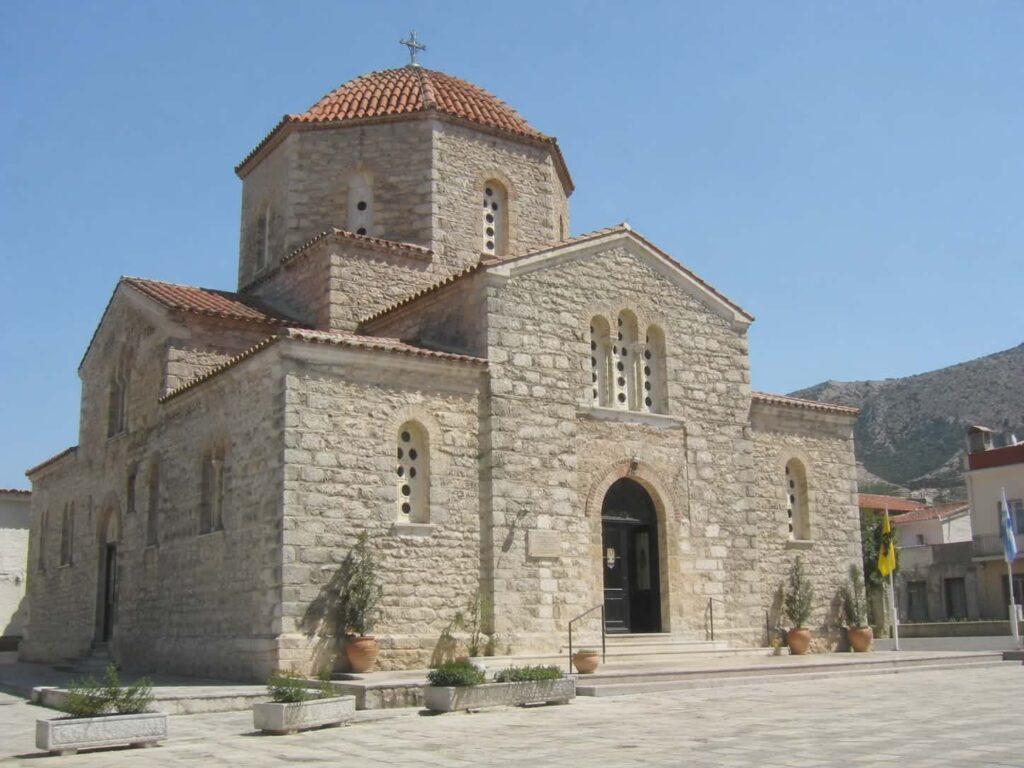
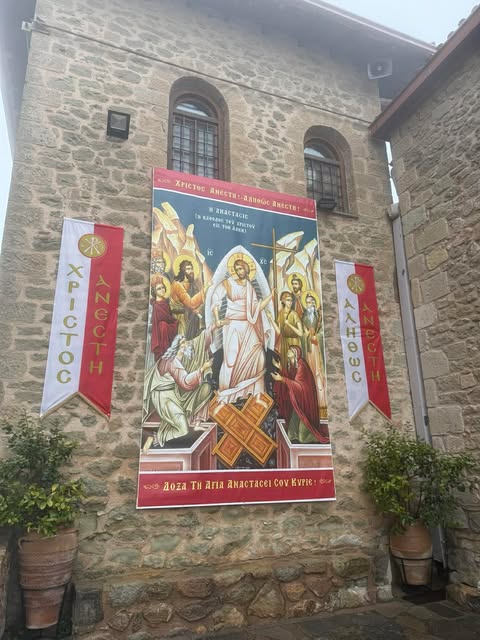

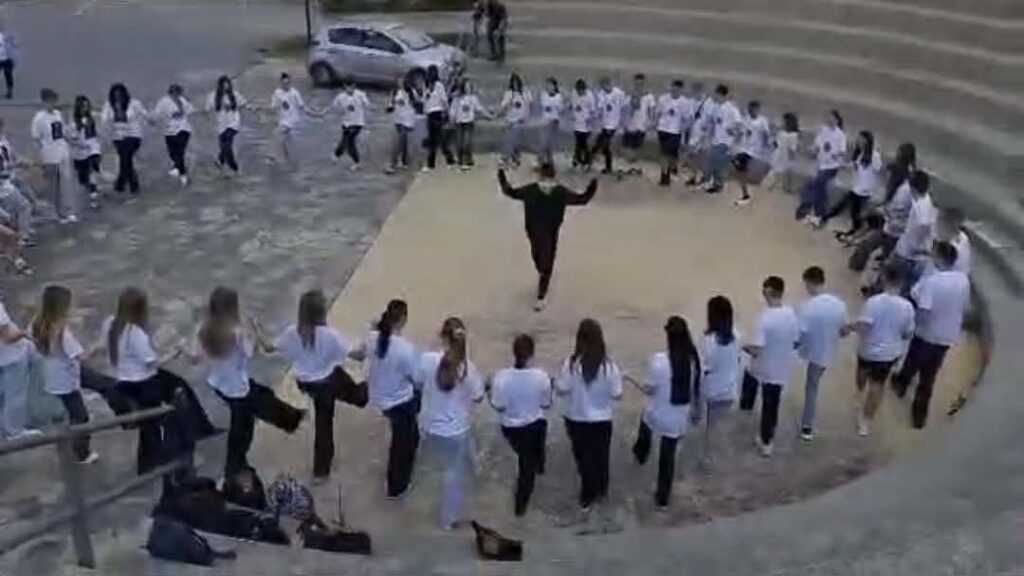
These traditions extend far beyond Easter. Name days are celebrated instead of, or alongside, birthdays—in honor of the saint whose name a person bears. On the Riviera, entire neighborhoods open their doors, offering coffee, sweets, and warm welcomes to anyone who enters. Summer paniyiria, or festivals honoring saints, transform seaside squares into vibrant parties with live music, dancing, and long tables laden with food. We joined one dedicated to a local festival near the port of Katakolo, where the entire community danced until dawn under festoons of lights, combining faith, music, and social bonds. Fasting periods, especially before major holidays, are observed by many, even if only partially—beach restaurants offer special Lenten menus featuring octopus, beans, and spinach fritters. These customs keep the religion alive through food, family, and celebration, creating a rhythm that structures the entire year. We also explored how ancient pagan roots continue to resonate in contemporary practices. The Olympic Games originated as religious festivals honoring Zeus, and today the torch-lighting ceremony at ancient Olympia carries a similar solemnity, though it now serves as a secular, global event. Local residents explained that many traditions blend the old with the new: olive branches consecrated in church on Palm Sunday later serve to protect homes, much like the ancient Greeks used them in rituals. This continuity makes faith on the Olympic Riviera seem timeless—the same hills that once hosted athletic competitions now host Orthodox liturgies under the same Mediterranean sun. Weddings and baptisms further strengthen these bonds, often taking place in picturesque seaside chapels, with entire villages participating, transforming personal journeys into communal celebrations of faith.
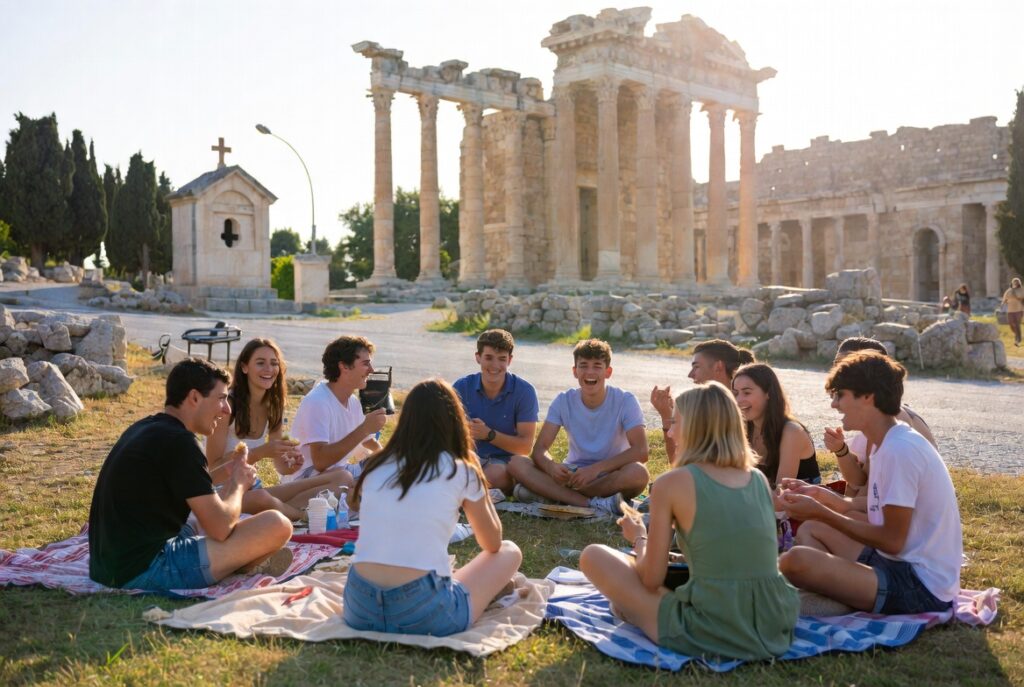
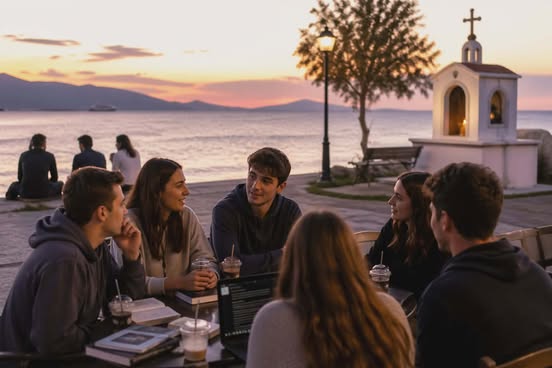
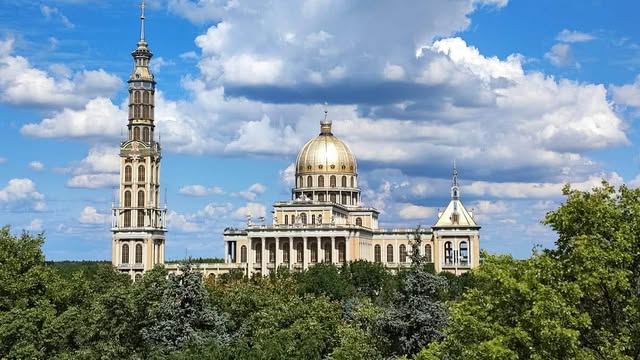
Coming from Poland, we couldn’t help but notice the striking similarities and differences. Both countries have strong Christian roots closely tied to national identity – Catholicism in Poland and Orthodoxy in Greece. In both places, religion helped preserve culture during periods of foreign domination and political turmoil. Family celebrations, respect for elders, and the Church’s role in education seem familiar. Easter in both nations brings families together through special dishes and rituals, while name days or saints’ days foster community bonds.
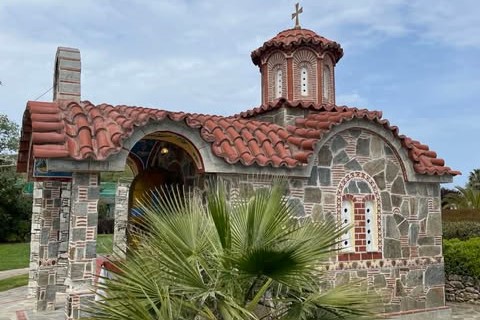
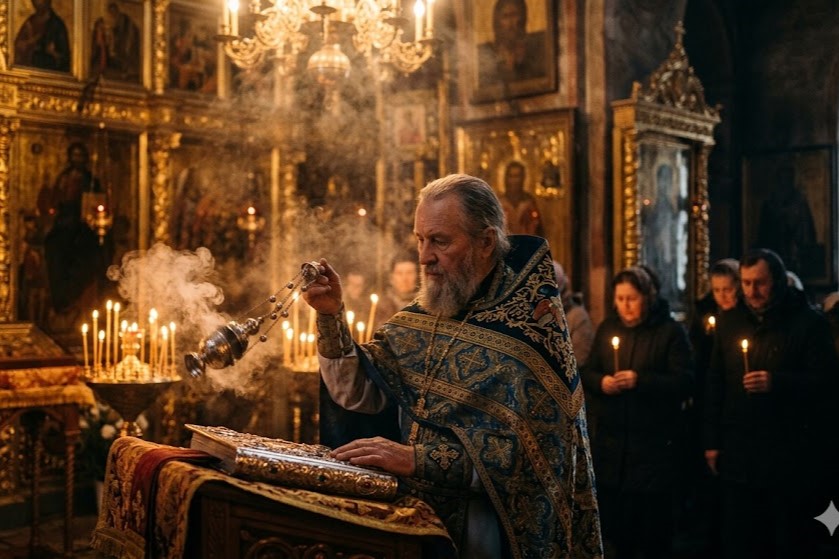
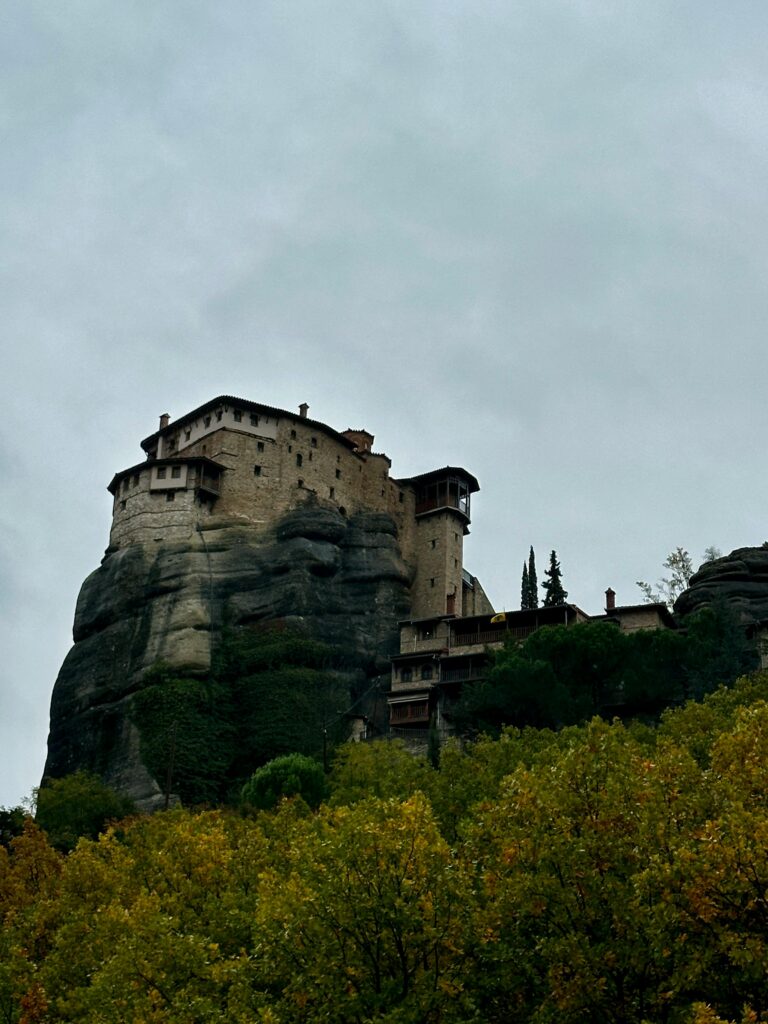
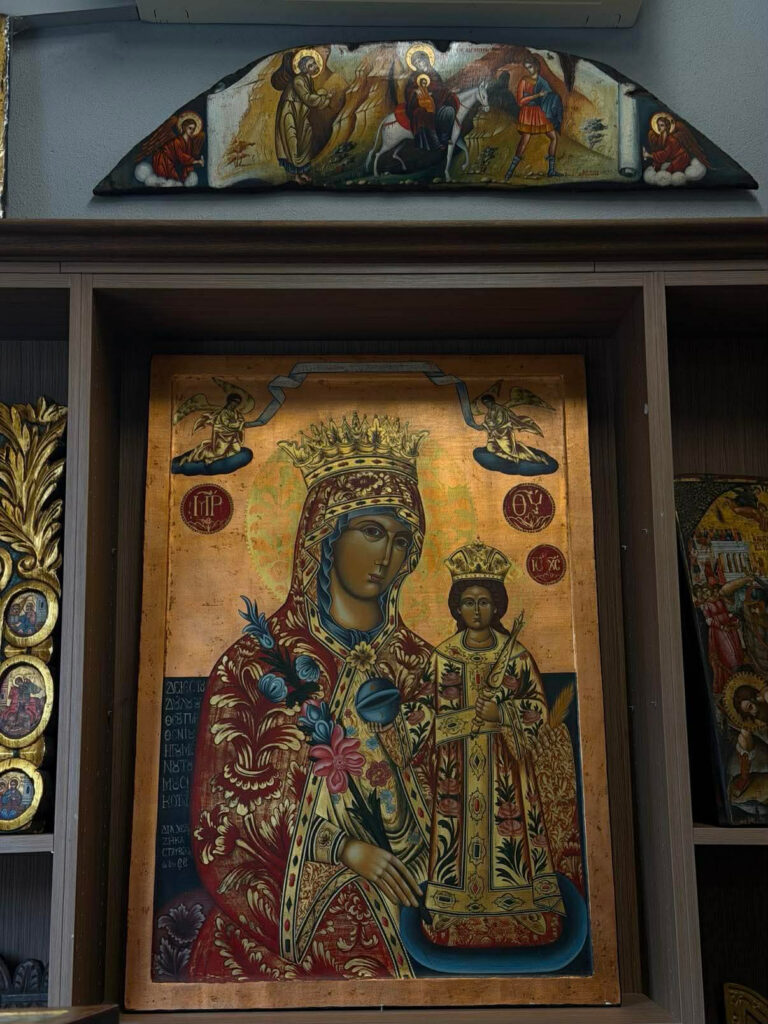
However, differences are stark. In Poland, regular church attendance is typically higher and public expressions of Catholic piety are more visible, while Greek Orthodoxy emphasizes icons, mysticism, and sensory experiences such as incense and chants. Easter dominates the Greek calendar far more than Christmas, while in Poland both holidays seem equally important. Theologically, the Great Schism of 1054 created lasting differences: Orthodox priests can marry, there is no central papal figure, and the liturgy is associated with greater standing and less hierarchy. On the Olympic Riviera, we experienced these contrasts in joint discussions with local youth, where Polish and Greek students compared fasting rules and holiday foods with laughter and mutual curiosity. These exchanges highlighted how faith adapts to geography and history while simultaneously connecting people across borders. The comparison also revealed shared challenges, such as secularization among younger generations and the role of religion in addressing contemporary social issues like migration and environmental issues.
Copy rights Europejskie projekty Żeroma