BASIC INFORMATION
National and regional symbols play a particularly important role in Greece because the country has one of the longest and most influential cultural traditions in the world. The heritage of ancient Hellas, the Byzantine period, Ottoman rule, and the modern struggle for independence have created a complex system of symbols that still shape the identity of Greeks today. Contemporary Greece uses these symbols not only in official contexts but also in everyday life, urban space, and popular culture. Analyzing the flag, national colors, symbolic motifs, and the presence of commemorative signs in cities allows for a better understanding of how these symbols build a sense of community.
Greece Coat of Arms – Wikipedia, the free encyclopedia
Flag of Greece – meaning and symbolism
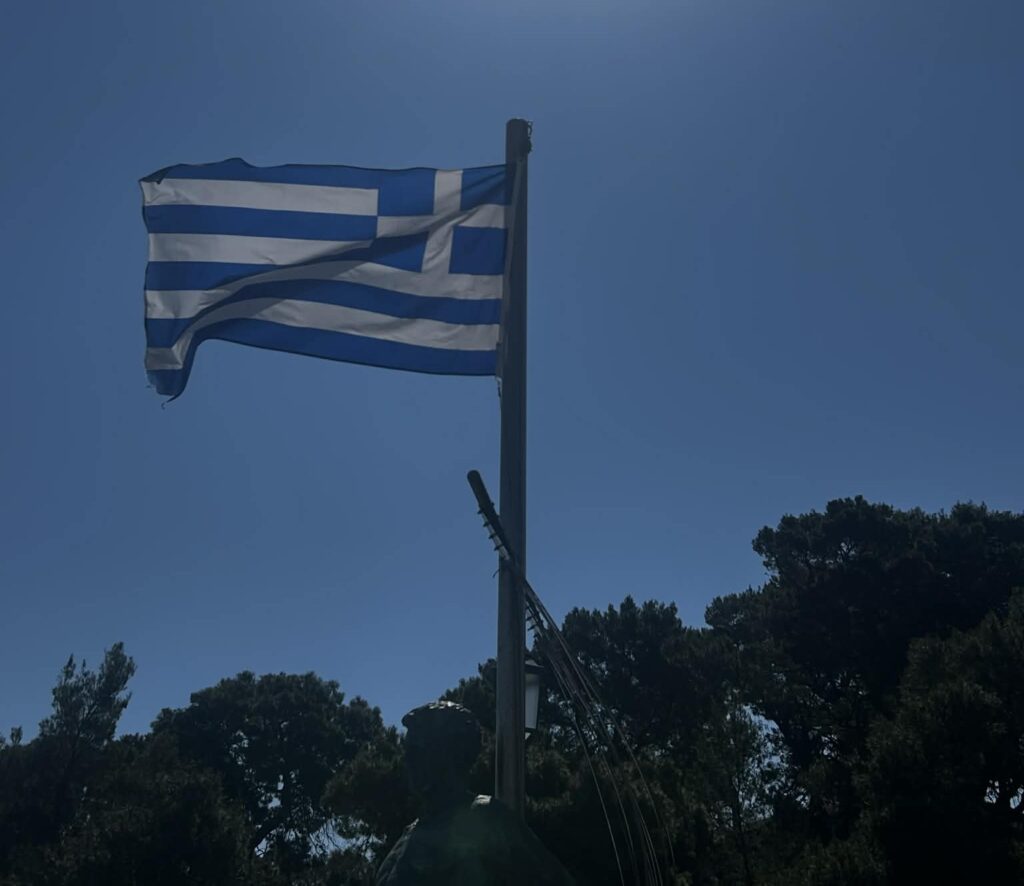
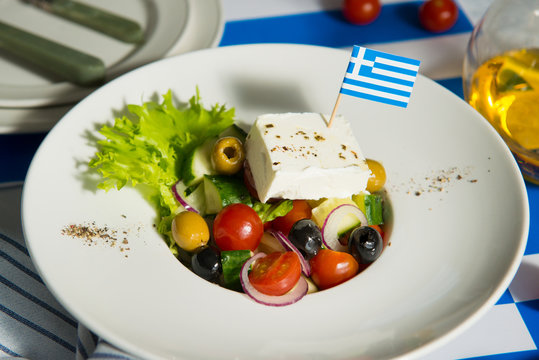
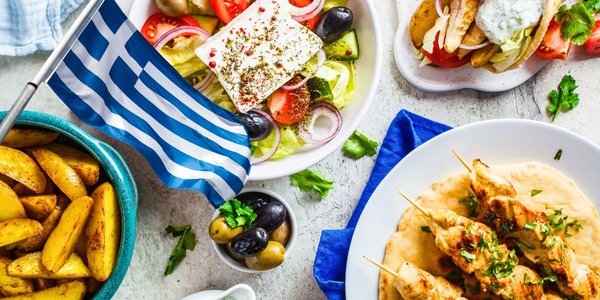
The flag of Greece is one of the most recognizable national symbols. It consists of nine horizontal stripes in blue and white and a white cross placed on a blue background in the upper left corner. Each of these elements has its meaning and refers to the history and national values. The nine stripes symbolize the syllables of the motto “Eleftheria i Thanatos” (“Freedom or Death”), which was the motto during the fight for independence against the Ottoman Empire in the 19th century. The cross, on the other hand, refers to the role of the Orthodox Church in maintaining national identity during the period of oppression. The blue color is interpreted as a symbol of the sea and sky, which are an inseparable part of the Greek landscape, while white signifies the purity of the fight for freedom. The flag is present almost everywhere – on public buildings, in schools, during national holidays, as well as in private spaces. In cities such as Athens or Thessaloniki, it can be seen on balconies, squares, and institutions. In cities like Athens or Thessaloniki, it can be seen on balconies, squares, and state institutions, which strengthens the sense of shared identity
Hymn of Greece
The Greek national anthem is the “Hymn to Freedom” (Gr. Ýmnos eis tin Eleftherían). It was written in 1823 by the poet Dionisios Solomos, and the music was composed by Nikolaos Mantzaros.
A few short facts:
- It was created during the Greek War of Independence.
- The original text has as many as 158 stanzas, but officially only the first two are sung.
- Since 1865, it has been the national anthem of Greece.
- It is also the anthem of Cyprus.
It is one of the longest national anthems in the world in terms of the number of stanzas.
Geography and nature
The colors blue and white are deeply rooted in Greek symbolism. Blue is often associated with infinity, spirituality, and freedom, as well as with the Aegean Sea, which has shaped Greek life for centuries. White symbolizes light, purity, and morality – values particularly important in the context of the struggle for independence. Interestingly, the combination of these colors can be found not only on the flag but also in architecture, especially on islands such as Santorini and Mykonos. White houses with blue roofs and shutters create a distinctive landscape that has become Greece’s calling card in the world. Although initially the choice of colors had a practical justification (white reflects sunlight), over time it acquired symbolic meaning.
History
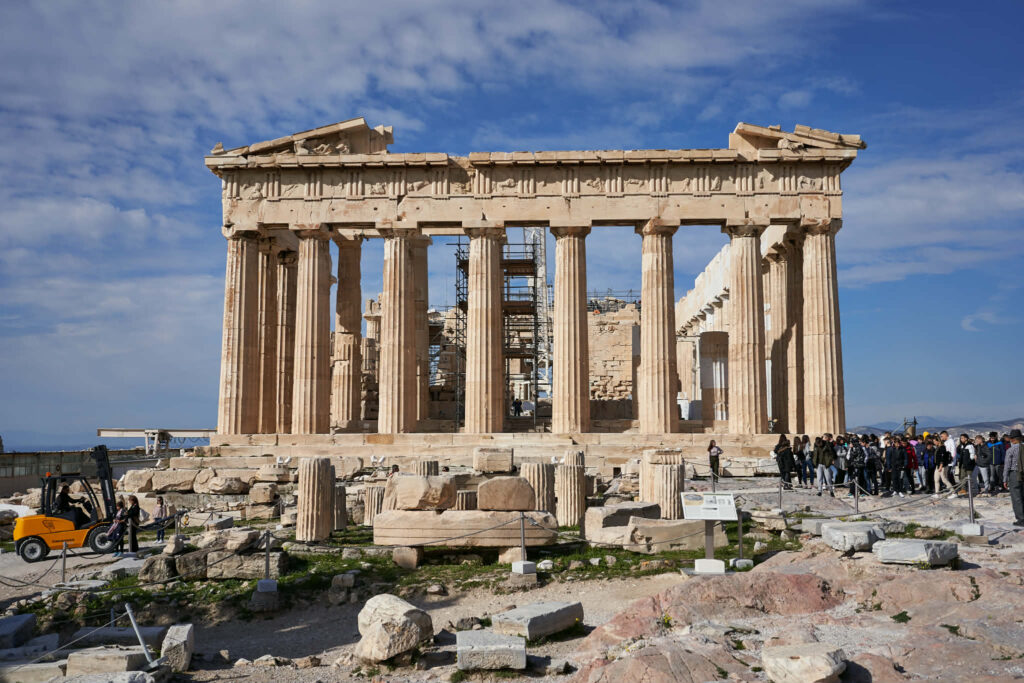
In Greek national symbolism, motifs taken from history and mythology also play an important role. One of the most recognizable is the owl – a symbol of wisdom, associated with the goddess Athena. Another important motif is the olive tree, which symbolizes peace, prosperity, and continuity of tradition. These motifs appear not only in art but also in public spaces and architecture. In many cities, one can find sculptures and decorations referring to antiquity, which emphasizes cultural continuity. A special place in this regard is the Acropolis, which constitutes not only a monument but also a symbol of national pride and heritage.
Symbols in urban space
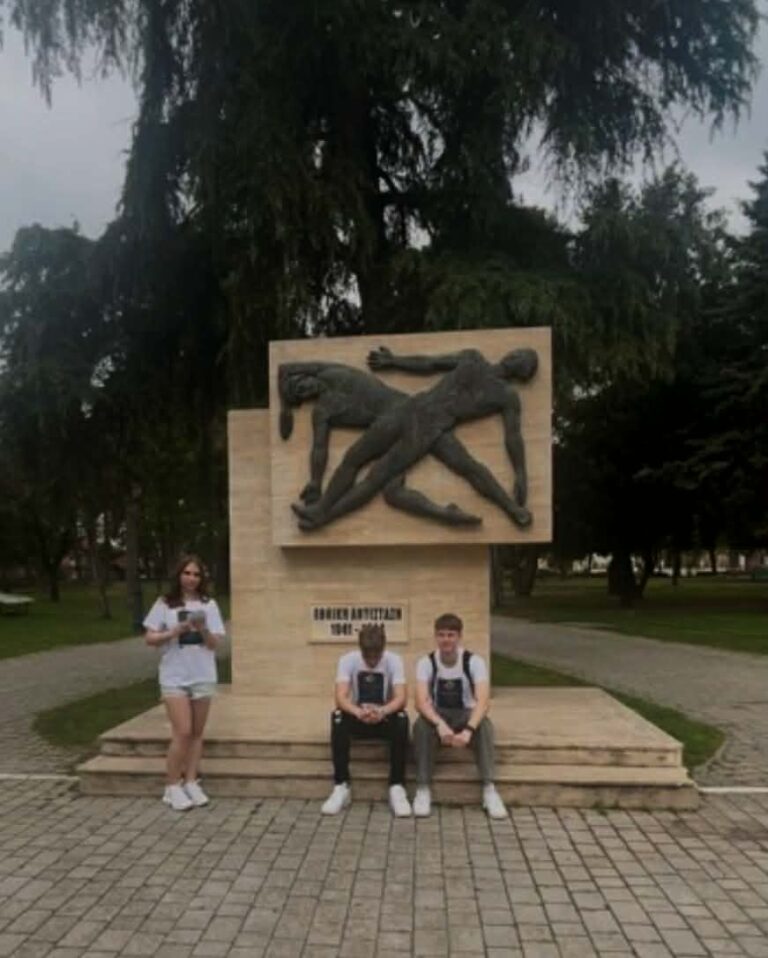
Urban space in Greece is filled with national and historical symbols. Monuments, squares, street names, and public buildings refer to important events and figures. In Athens, the central point is Syntagma Square, where the parliament and the Tomb of the Unknown Soldier are located. The daily changing of the guard by the Evzones is not only a tourist attraction but also a ritual that maintains historical memory. Monuments to national heroes, such as Theodoros Kolokotronis or Eleftherios Venizelos, remind of the struggle for independence and the shaping of the modern state. In smaller towns and villages, local memorial sites can also be found, referring to regional events and heroes.
Memorial sites and their role
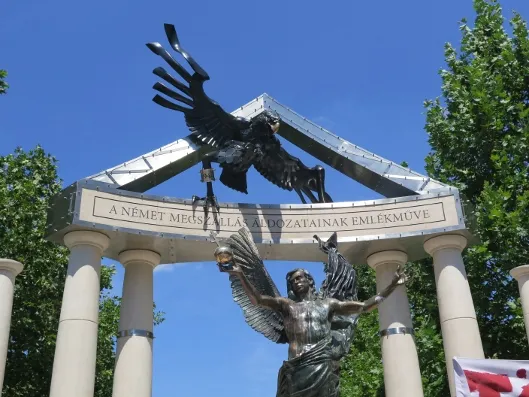
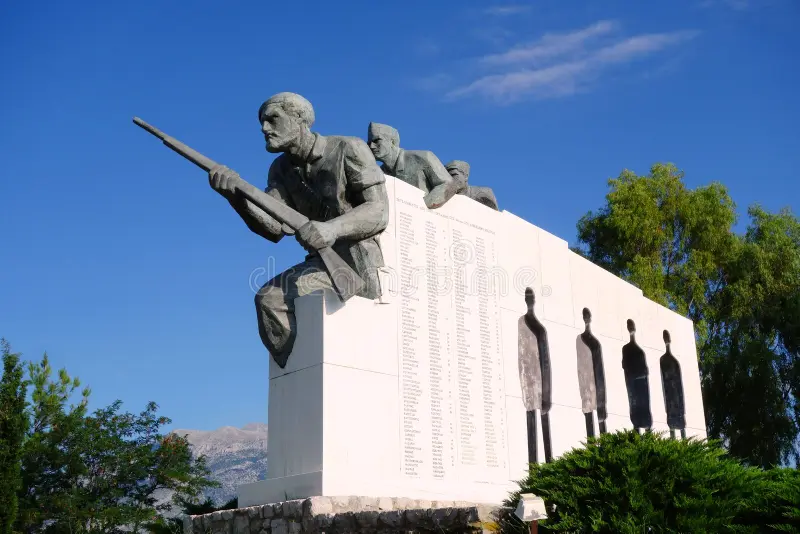
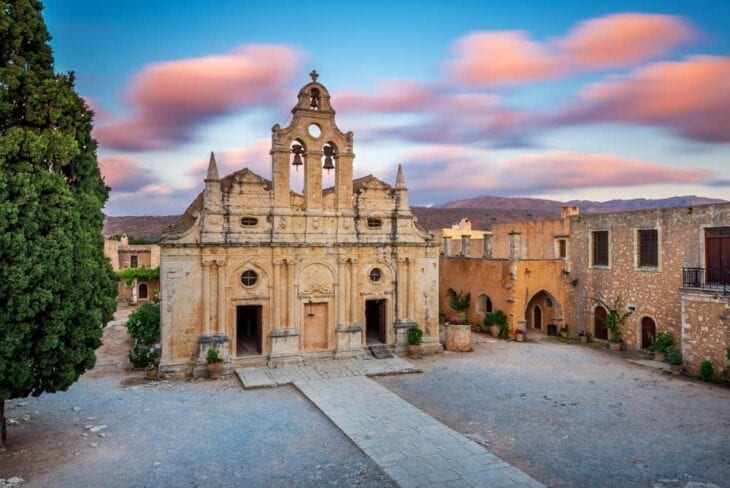
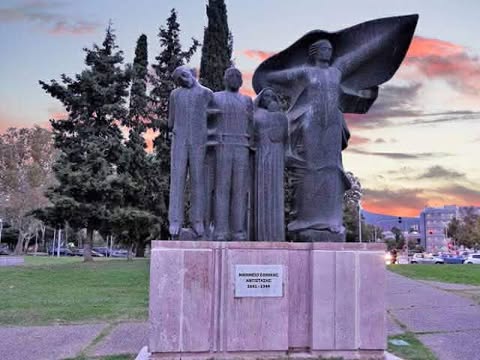
Memorial sites serve a special function in shaping identity. They are spaces where the past meets the present. In Greece, many such sites are associated with the period of the struggle for independence and World War II. One important site is the Arkadi Monastery in Crete, a symbol of resistance against Ottoman rule. Another example is the numerous monuments commemorating the victims of the German occupation. These places not only remind us of history but also educate subsequent generations about values such as freedom, sacrifice, and solidarity.
Culture and life
Architecture in Greece serves not only a functional purpose but also a symbolic one. Ancient temples, such as the Parthenon, are an expression of the ideals of harmony, proportion, and perfection. During the Byzantine period, churches with domes dominated, symbolizing heaven and divinity. Contemporary architecture also refers to tradition, though in a more subtle way. Public buildings often contain classical elements, such as columns or pediments, which emphasize cultural continuity. Even modern projects strive to harmonize with the historical context.

Building a sense of community
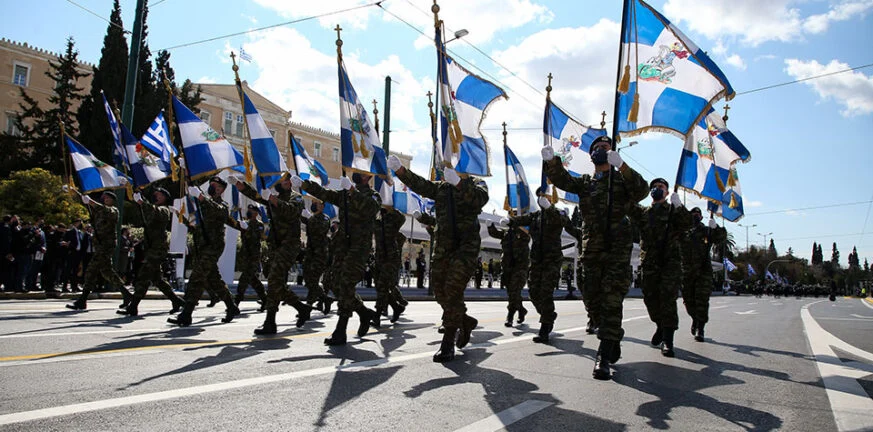
National and regional symbols play a key role in building a sense of community. Thanks to them, individuals can identify with a larger group and feel a sense of belonging. In Greece, this is particularly visible during national holidays, such as Independence Day (March 25) or ‘Ochi’ Day (October 28). At that time, flags appear everywhere, parades take place, and society unites around shared values. Symbols are also present in sports – the national team becomes a carrier of emotion and pride. In such moments, social or political differences take a back seat, and a common identity comes to the forefront.
References to other countries
Although Greece has a unique system of symbols, similar mechanisms can be observed in other countries. For example, in France the tricolor flag symbolizes the values of the revolution – liberty, equality, and fraternity. In Poland, white and red refer to history and tradition, just as in Greece the colors have deep emotional significance. In Japan, a simple symbol of a red sun on a white background reflects both the geography and spirituality of the nation. In the United States, the flag with stars and stripes symbolizes the unity of the states and the history of the country’s founding. These examples show that although symbols differ in form, their function remains similar – building a shared identity and conveying values.
Symbols in everyday life and education
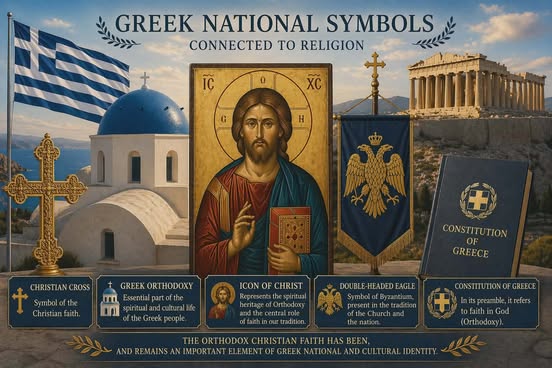
To better understand the significance of symbols in Greece, it is worth looking at their presence in the daily lives of citizens. From a very young age, children learn the meaning of the flag, the anthem, and the national history. Schools organize ceremonies during which students recite poems, sing patriotic songs, and take part in historical performances. Such practices make symbols not abstract—they become part of personal experience. Symbols also have their place in private spaces. In many homes, one can find flags, religious icons, or mementos related to the history of the family and the country. Religion plays a special role here—Orthodoxy is strongly linked to national identity, and religious symbols often intertwine with national ones.
Symbolism in culture and art
Greek culture – literature, theater, music, and film – also uses national and historical symbols. Contemporary artists often refer to mythology, antiquity, and historical events, reinterpreting them in a modern way. As a result, the symbols remain alive and relevant, while at the same time preserving their original meaning. In popular and folk music, motifs related to the homeland, freedom, and history appear. This form of expression reaches a wide audience and strengthens the emotional connection with the symbols.
Tourism and national symbols
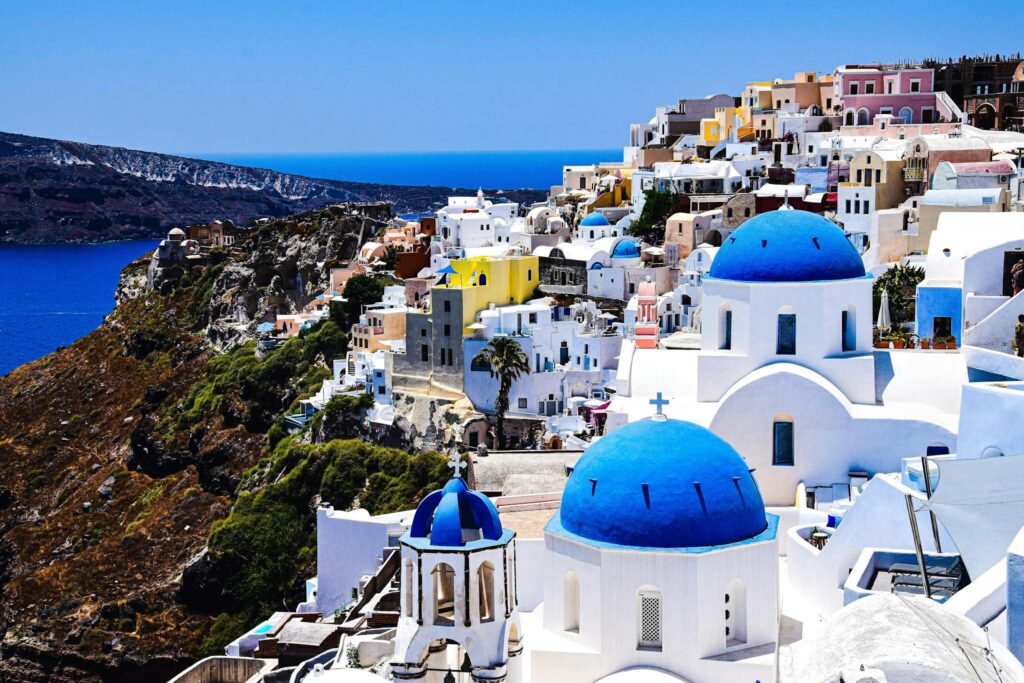
The role of tourism in spreading the symbols of Greece cannot be overlooked. Places such as the Acropolis or picturesque islands attract millions of tourists every year. As a result, Greek symbols become recognizable worldwide. At the same time, tourism influences the way Greeks perceive their own heritage. On one hand, it strengthens national pride; on the other, it can lead to the commercialization of symbols. Nevertheless, their primary function – building identity – remains unchanged.
Contemporary challenges
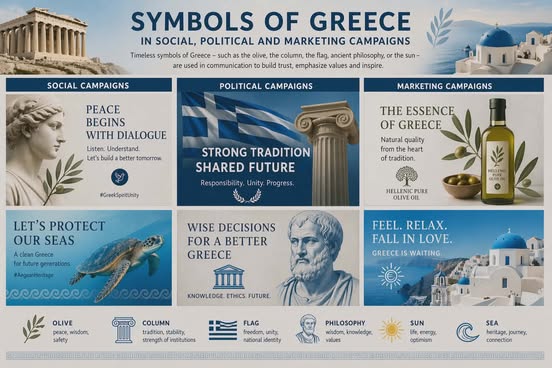
In the era of globalization and European integration, the question of the future of national symbols arises. Greece, being a part of the European Union, operates within a broader political and cultural context. However, instead of weakening, the significance of symbols is often observed to increase as an element that differentiates and emphasizes uniqueness. New forms of communication, such as social media, also influence the way symbols function. They are used in social, political, and marketing campaigns, which demonstrates their continued relevance.
Cuisine
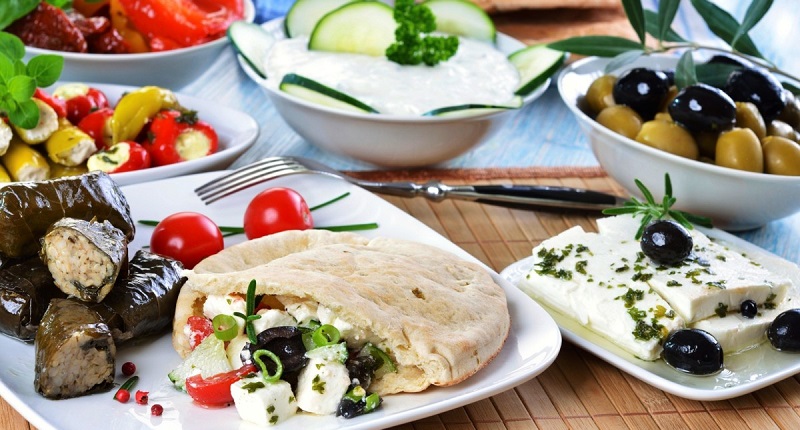
The cuisine of northern Greece stands out against the rest of the country:
- It has strong Balkan and Turkish influences, giving it a more pronounced character.
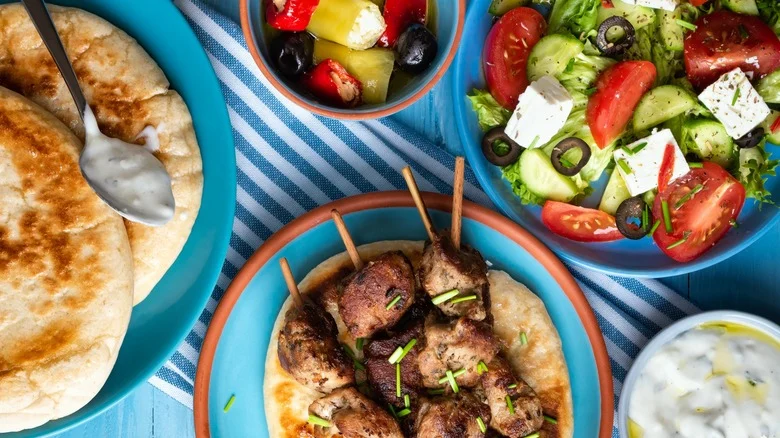
- Meat dishes are popular – especially grilled ones (e.g., souvlaki, kebabs).
- More spices and spicier additives are used than in the south.
- Sweets play a big role, such as baklava or various pastries with syrup and nuts.
Rituals and ceremonies as carriers of symbols
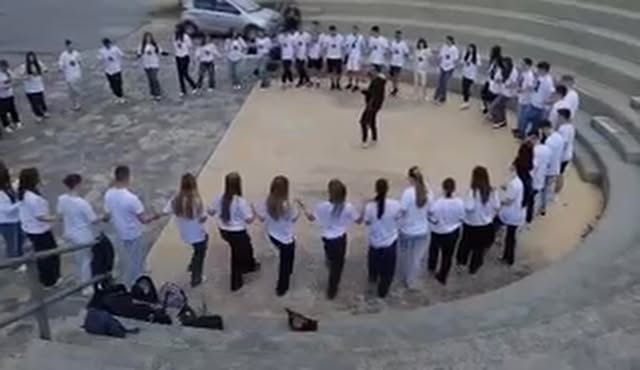
Symbols do not exist in a vacuum – their meaning is maintained through rituals and ceremonies. In Greece, military parades, religious ceremonies, and local festivals play a significant role. During such events, national symbols are displayed in a special way – flags, costumes, music, and gestures create a coherent message. An example can be the ceremonial changing of the guard at the Tomb of the Unknown Soldier in Athens, which is almost theatrical in nature, and at the same time deeply symbolic. The movements of the guards, their uniforms, and the solemnity of the situation create an atmosphere of respect and community.
Religious symbolism and national symbolism
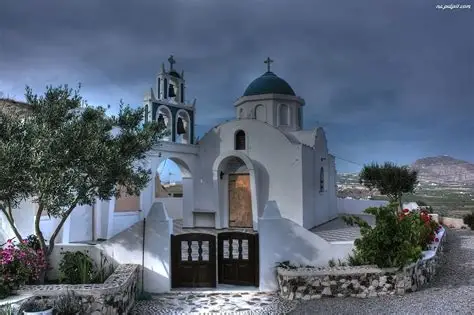
In Greece, the intertwining of religious and national symbolism is particularly noticeable. The cross present on the flag is just one example. Churches, icons, and religious holidays are an integral part of social life and often also have a patriotic dimension. During important religious holidays, such as Easter, symbols of faith simultaneously become symbols of national community. Joint participation in services, processions, and rituals strengthens social bonds and the sense of belonging.
Fun-facts
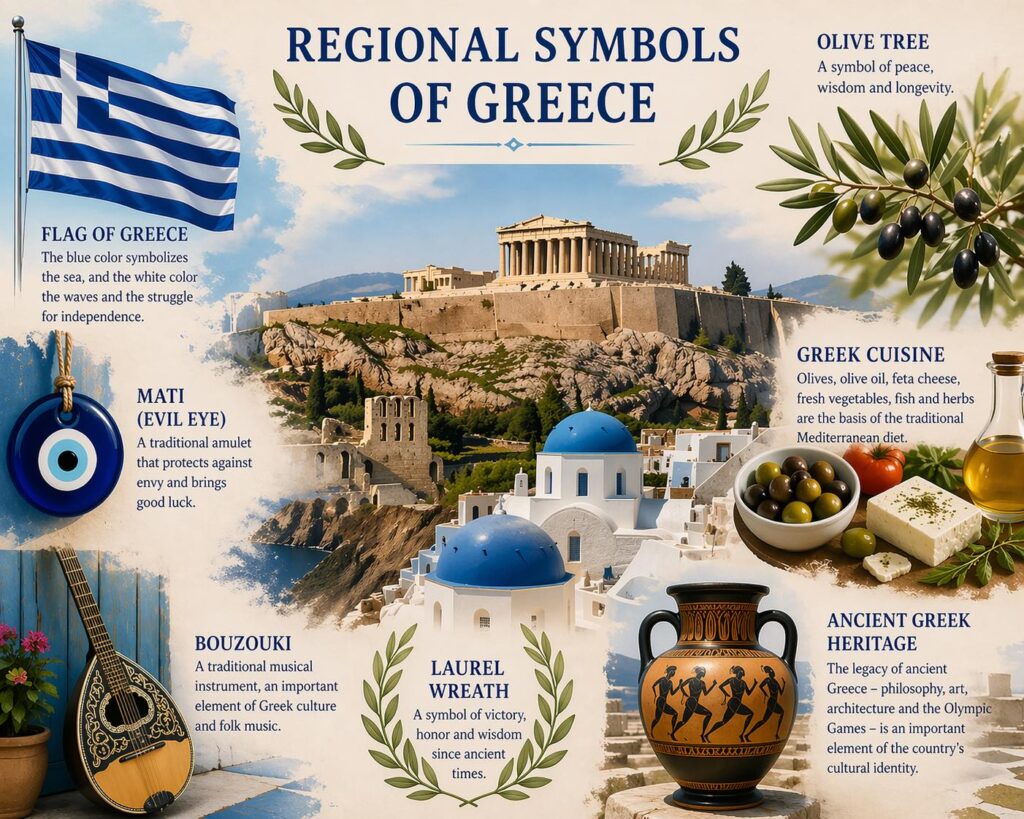
In addition to national symbols, regional symbols are also of great importance in Greece. Each region, island, or even city has its own identifying marks – coats of arms, colors, traditional costumes, or local festivals. For example, Crete, the largest Greek island, is strongly associated with the symbol of the labrys (double axe) and with Minoan mythology. Meanwhile, the region of Macedonia uses the symbol of the Vergina star, which refers to the ancient heritage of the Macedonian kingdom. Regional symbols strengthen the sense of belonging to one’s “small homeland” without conflicting with national identity. On the contrary – they complement it. A resident of Thessaloniki can simultaneously feel Macedonian and Greek, and both levels of identification are reinforced by symbols present in public spaces.
Additionally...
It is also worth paying attention to the role of national symbols in politics and public life. In Greece, symbols are often used in political debates and election campaigns – referring to history, the flag, or national heroes is meant to strengthen the message and build social trust. At the same time, their overuse can lead to disputes, because different groups may interpret the symbols in different ways. An important aspect is also the Greek diaspora, spread all over the world – in the United States, Australia, or Western Europe. For Greeks living abroad, national symbols such as the flag or language become even more important, because they help maintain identity in a foreign environment. Parades, festivals, and cultural events are organized, during which these symbols are displayed and passed on to subsequent. One cannot overlook the role of sports either – the success of the Greek national football team during the 2004 European Championship became a moment of enormous national unity. Flags appeared on the streets across the country, and the shared celebration showed how strongly symbols can unite people regardless of their background or beliefs. generations.
In the end...
The national and regional symbols of Greece form an extremely rich and multilayered system of meanings. From the flag and national colors, through mythological motifs, to monuments, architecture, and rituals – all these elements co-create the identity of society. Their presence in urban spaces, education, culture, and everyday life makes them not only signs but living carriers of memory and values. Compared to other countries, it is evident that although the forms of symbols may vary, their function remains universal. In the case of Greece, however, particular importance lies in the deep historical continuity, which means that contemporary symbols are directly connected with the distant past. It is precisely this continuity that makes Greek identity so unique and lasting, and symbols – an indispensable element of social life.